

A wpc wall panel regional supplier for hot and humid markets should offer moisture-proof boards, UV-stable faces, and test reports. WPC suits most tropical living rooms and offices, while PVC suits wet zones and stone-look feature walls. This guide explains how heat, humidity, UV, termites, and salt air shape the panel choice for buyers.
First, it covers the five climate risks that damage wall panels in tropical markets each year. Then it shows what to ask a supplier before you place a bulk order. Finally, it gives regional buying notes and a pre-order checklist for busy buyers.
Use this guide to set a clear spec before you request quotes from several suppliers. A clear spec keeps quotes easy to compare across suppliers on equal terms. It also cuts rework and disputes after the panels arrive on site.
Hot and humid markets reward buyers who check the board quality before the price. A wpc wall panel regional supplier with local climate know-how saves rework and cost later. This guide shows you what to check, what to ask, and what to record.
This guide uses plain terms and short checks throughout each section. It suits importers, distributors, and project buyers who source wall panels in bulk. Read it once, then use the checklist at the end for each new order.
How Heat and Humidity Change the Wall Panel Choice
Heat and humidity test every wall panel in tropical markets, day after day. For example, moisture seeps into weak cores, swells the board face, and opens joints. As a result, joints open, edges lift, and the wall looks old within months. Meanwhile, strong sunlight fades cheap films and cracks thin cap layers fast.
Thermal movement adds a second risk in hot climates with wide day-night swings. In addition, boards expand in midday heat and shrink again at night. Without gaps, long wall runs buckle or pull free from clips and trims. So always ask for the expansion rate in the product test report.
Termites and salt air attack wall panels from two more sides. In warm, damp rooms, termites hollow out wood-rich boards and leave them weak. Near the coast, salt air corrodes metal clips and steel fixings fast. In contrast, a plastic-rich WPC core resists both threats far better than raw timber.
Moisture, UV, and Test Standards
In general, WPC absorbs less moisture than plain timber, so it swells less in damp rooms. Industry guidance notes that co-extruded surfaces help hold color under strong tropical sun. It also cites ASTM D7032 as the test standard for wood-plastic composite boards and guards.
Still, check the product test report for your exact board, since results vary by brand. Read the full guidance in this WPC performance standards guide before you set your final spec.
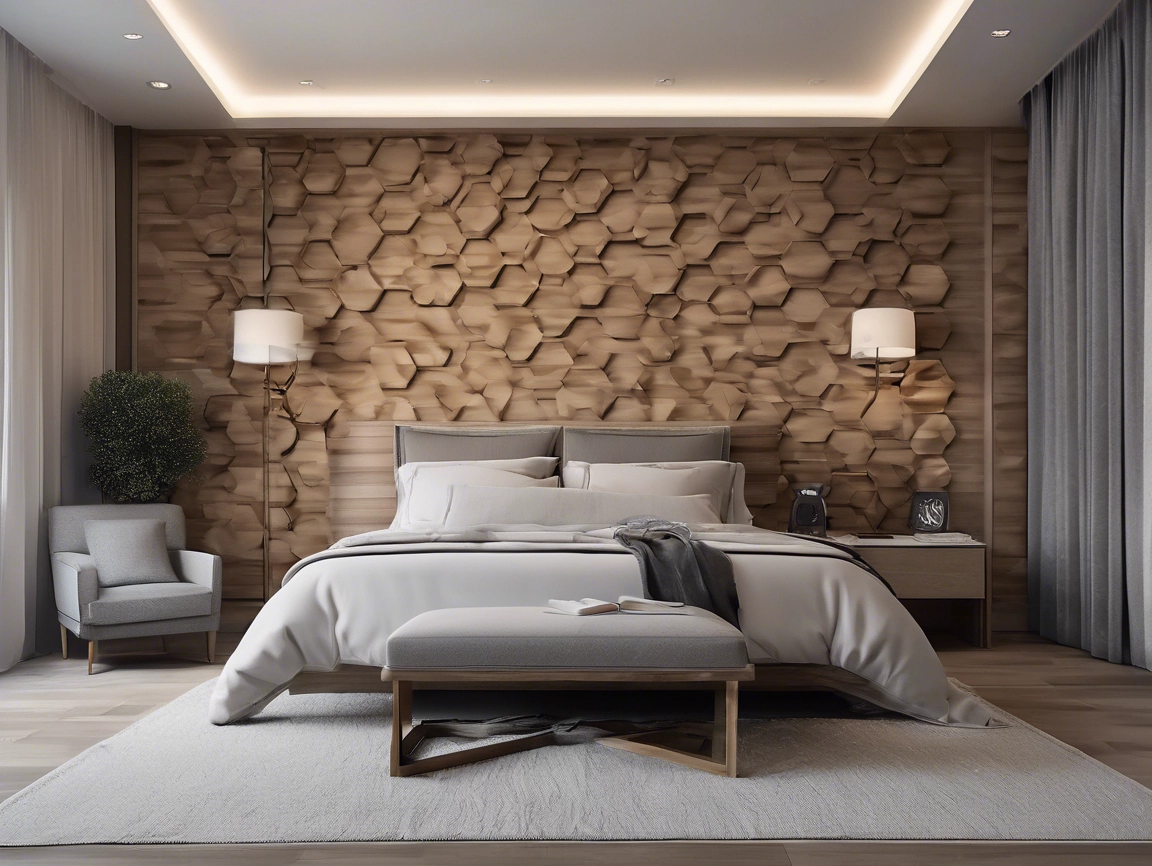
A wpc wall panel for tropical climates needs a sealed face and a stable core. For feature walls in hotels and shops, check the 3D embossed WPC panels with a textured face. In busy lobbies and corridors, their deep relief hides small scuffs and marks well.
Mold grows fast on damp, shaded walls in the tropics, often within weeks. In addition, a sealed cap layer and dry joints slow mold growth a lot. So wipe test samples with a damp cloth and check for stains and smell. A wpc wall panel regional supplier should also share cleaning advice for humid rooms.
Expansion, Mold, and Outdoor Use
Outdoor walls face harsher tests than indoor walls in the same city each year. Rain hits the face, sun bakes the cap, and wind drives dust into joints. So use outdoor-rated boards with a thick cap for facades, balconies, and pool areas. Indoor boards suit bedrooms, shops, and offices with far less stress.
What to Ask a WPC Wall Panel Regional Supplier
A good supplier answers hard questions with test reports and data, not slogans. Ask for moisture, fire, and UV test reports before you compare prices across brands. A wpc wall panel regional supplier should also share the board makeup and the cap layer type. In the end, those two facts shape the board life in a humid room.
Samples settle most doubts faster than a long spec sheet or brochure. Order samples in the exact color and finish you plan to buy in bulk. Then soak one edge, scratch one face, and bend one corner by hand. That quick test often reveals weak boards before you pay for a full container.
Order Terms, Samples, and Lead Time
Check the order terms as well as the board quality and finish. Confirm the MOQ, the packed weight, and the carton type for sea freight in writing. Ask how the supplier packs boards for a 40-foot container in the rainy season. As a result, strong packing keeps edges dry and cuts damage claims at the port.
Local market knowledge matters as much as the board itself for buyers. A wpc wall panel regional supplier who knows your market can flag the right finish and profile. For slat walls and feature zones in lobbies and shops, wood-grain WPC timber tubes fit well. Finally, ask which profile sells best in your region, and why.
Ask how the supplier handles claims after delivery and who pays freight. A clear claim process shows a supplier who stands behind the boards they ship. A wpc wall panel regional supplier with a written claim process earns more trust. Note the claim steps on your order sheet before you pay the deposit.
Lead time shapes the order plan as much as price for project buyers. Ask how many days the factory needs once the deposit clears the bank. Then add sea freight time and port clearance for your target market. In short, a clear schedule keeps the site crew and the container in step.
Regional Buying Notes: Middle East, West Africa, and Southeast Asia
Each region stresses wall panels in a different way each year. Dry heat punishes the face, while wet heat punishes the core and joints. So match the board to the local climate, not to the catalogue photo.
UAE and Saudi Arabia
Gulf buyers face fierce sun and dry heat most of the year. In strong sun, UV-stable faces and light colors hold up best. A wpc wall panel middle east supplier should also prove heat resistance with test data. Read our UAE and Saudi Arabia buying guide for specs, MOQ, and packing notes.
Nigeria
Nigeria pairs heavy rain with warm, humid air all year round. Here, moisture-proof boards and sealed joints matter more than UV ratings. Termite resistance also earns its place on the spec sheet for buyers. Our Nigeria buying guide covers profiles, pricing, and port checks in detail.
Philippines and Indonesia
Both island markets mix salt air, typhoon rain, and high humidity. Near the coast, stainless clips and sealed edges protect boards well. For humid rooms, a WPC ceiling panel with soundproof backing suits offices and hotels. See the Philippines guide and the Indonesia guide for local detail and specs.
Across all three regions, one rule holds for every buyer. Match the board to the climate first, then compare the price.
A wpc wall panel middle east supplier faces the same test as a West Africa source. Proof beats promise in every market, hot or humid. Ask for the test report first, then check the sample yourself.
WPC or PVC: Which Panel Suits a Humid Climate?
WPC and PVC both resist water, yet they suit different rooms. For living areas, WPC gives a warm wood look and a firm feel under hand. PVC gives a smooth, stone-like face and shrugs off splashes in wet rooms. Pick by room use and water exposure, not by trend.
| Factor | WPC Wall Panel | PVC Wall Panel |
|---|---|---|
| Water resistance | Strong; plastic core resists damp | Very strong; solid PVC face sheds water |
| Wood look | Warm grain, deep relief | Printed grain, smooth face |
| Best rooms | Bedrooms, lobbies, shops | Bathrooms, kitchens, wet zones |
| Weight | Light to medium | Light |
| Heat and UV | Needs UV-stable cap outdoors | Needs UV coat for sunlit rooms |
| Cost | Mid-range per square meter | Often lower per square meter |
A wpc wall panel for tropical climates often wins in living rooms and hotel lobbies. The wood look feels warm, and the board handles daily wear well for years. PVC marble sheets win in bathrooms and kitchens, where water hits the wall each day. For the full side-by-side view, read our WPC vs PVC wall panel comparison.
Finally, weigh the full cost, not just the board price. A wpc wall panel regional supplier should quote install parts and spares with the boards. Cheap boards with weak caps cost more in repairs and replacements later. A wpc wall panel for tropical climates earns its price through stable size and a sealed face.
Fire rules vary by market, so check the local code before you order. Ask for the fire test report for the exact board you plan to buy. A report for one profile does not cover a different profile or color. Finally, keep the report with the spec sheet for the site file.
Inspection and Order Checklist for Hot and Humid Markets
Run this checklist before you pay the deposit on any order. It takes one call and one sample box to clear most items on it. For the full import steps, read our guide to importing WPC and PVC wall panels from China.
- Confirm board size, thickness, cap layer, and color on one written spec sheet.
- Ask for moisture, fire, and UV test reports with the sample batch.
- Test a sample: soak one edge, scratch one face, and check the color.
- Confirm MOQ, packed weight, carton type, and sea freight terms in writing.
- Check the container packing plan for rain, salt air, and long transit.
- Agree on the inspection step before loading, with photos of each pallet.
Keep one sample board from the approved batch on site for reference. During install, it gives the crew a color and finish reference. If a later batch looks different, the sample settles the dispute fast and fairly. A wpc wall panel regional supplier should accept this check as standard practice.
As a WPC wall panel maker, ZHONGXINGWO supplies boards for homes, shops, hotels, and offices in hot and humid markets. In short, a wpc wall panel regional supplier earns trust with test reports, honest samples, and clear packing. Set the spec first, then compare quotes on equal terms across suppliers.
Planning a project in a hot and humid market? Send us an inquiry with your sizes and target market. Our specialists will reply and help you plan the order.
