

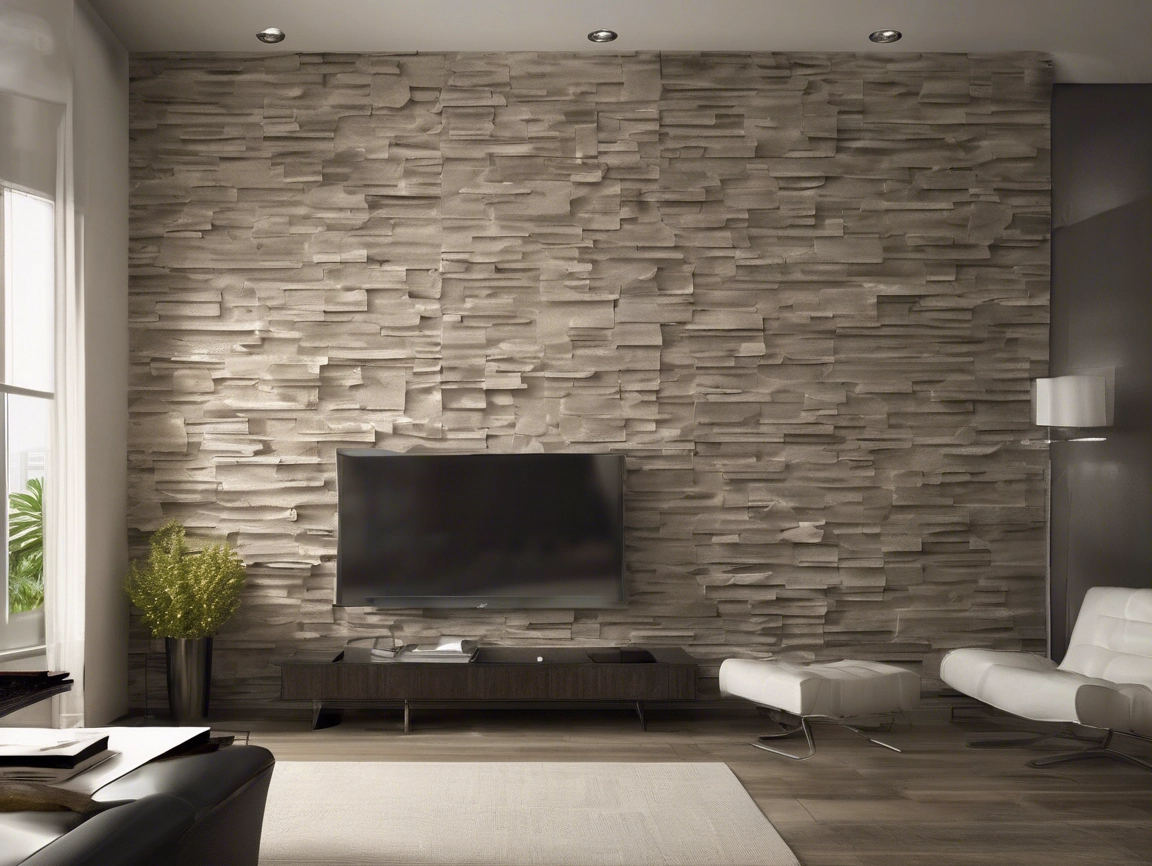
What are SPC wall panels? They are rigid interior wall boards with a stone plastic composite core. SPC stands for stone plastic composite. The core mixes limestone powder with PVC resin. A printed film gives the stone or wood look. This guide explains the material, the structure, and the sourcing checks in plain words.
SPC comes from the flooring world. Makers first used the SPC core for rigid floors. The same core now serves wall panels. It stays stiff, resists water, and holds a sharp print. That mix suits bathrooms, kitchens, and shops.
Buyers meet SPC panels under many names. Stone plastic wall board, SPC wall board, and rigid core wall panel all point to the same family. The names differ by film and finish, not by core idea. This guide clears up the terms, so you can order with trust.
Read on for the core, the types, the sizes, and the factory checks. Each section stays short and practical. By the end, you can brief a supplier in one call.
One note on scope helps. SPC wall panels are a newer line than PVC marble sheets. Fewer factories run them. That fact shapes the sourcing advice below. A buyer who knows the limits orders with more trust.
What Are SPC Wall Panels? The Core in Plain Words
An SPC wall panel has three layers. The core holds limestone powder mixed with PVC resin. The film gives the look. The surface coat guards the print. Together they form a stiff, flat board.
The limestone gives the core its weight and stiffness. The PVC resin binds the mix and resists water. The mix holds screws and trim well. It also resists dents from daily use.
So what are SPC wall panels made of, in one line? They are stone plastic composite boards with a printed film and a clear coat. The mix keeps the board rigid and waterproof at the face. It also keeps the cost below real stone.
The board is not solid stone. It does not use a stone slab or a cement board. The stone enters as fine limestone powder only. That fact matters when a client asks about weight and install.
What are SPC wall panels best known for? They are known for a rigid core and a waterproof face. That pair suits wet rooms well. It also suits shops that need a tough wall.
How SPC Wall Panels Differ From PVC and WPC
SPC vs PVC Marble Sheets
PVC marble sheets use a light PVC core with a marble print. SPC panels use a denser stone plastic core. The SPC board feels firmer and heavier. The PVC sheet feels lighter and bends more.
Both boards resist water at the face. SPC wins on dent resistance, as the core is denser. PVC wins on price and on bend, as the core is lighter. Pick SPC for busy walls. Pick PVC for budget walls.
For a full side-by-side read, see our WPC wall panel vs PVC wall panel comparison. It covers cost, weight, and use cases for the whole PVC family.
SPC vs WPC Wall Panels
WPC panels use a wood-plastic core with a fluted face. SPC panels use a stone plastic core with a flat face. WPC suits warm wood looks. SPC suits stone and tile looks.
WPC boards clip together fast. SPC boards glue or click, based on the edge type. Both install fast with no wet trade. The choice comes down to look and room, not to speed.
Density also differs. SPC cores run denser than WPC cores. That density helps SPC in wet rooms. It also adds weight, so check the freight cost. A denser board costs more to ship.
Sizes, Thickness, and Surface Options
The table below lists the common specs. They come from factory lines, so check each order against them. A supplier who lists other sizes should show the test data.
| Panel type | Thickness | Sheet size | Finish | Best use |
|---|---|---|---|---|
| SPC flat wall panel | 4 mm, 6 mm | 1220 by 2440 mm | Matte, stone | Bathrooms, kitchens |
| SPC marble-look panel | 4 mm, 6 mm | 1220 by 2440 mm | Gloss, matte | Feature walls, lobbies |
| SPC wood-look panel | 4 mm, 6 mm | 1220 by 2440 mm | Matte, wood grain | Shops, offices |
| SPC click panel | 5 mm, 6 mm | 600 by 1200 mm | Matte, stone | Fast refits, rentals |
Thickness shapes the feel of the wall. A 6 mm board feels firm and hides small wall bumps. A 4 mm board suits flat walls and tight budgets. Pick 6 mm for high-traffic rooms.
For the full spec logic, see our wall panel density guide. It covers strength, sound, and install by material. The Resilient Floor Covering Institute also covers the resilient flooring family that SPC comes from.
Where SPC Wall Panels Work Best
Wet Rooms
SPC panels suit bathrooms and kitchens well. The face resists splashes, and the core resists swelling. Seal the joints and the base trim. That seal keeps water out of the edges.
Use them on dry bathroom walls and on kitchen backsplash zones. For shower walls, seal each joint with care. A sealed SPC wall serves for years. An open joint lets water in.
Commercial Spaces
Shops, clinics, and offices need tough walls. SPC panels take scuffs well. They wipe clean with a damp cloth. They also swap out fast, as one sheet lifts off with care.
Pick matte finishes for corridors, as they hide marks. Pick gloss for showrooms, as it lifts a dim room. Keep spare sheets on site. A spare sheet cuts repair time to one visit. That is the short answer to what are SPC wall panels for in a shop: a tough, wipe-clean wall.
Rental Refits
Click-edge SPC panels suit rental refits. They install fast and lift off with less damage. That speed suits landlords who refit between tenants. Glue-fixed boards suit owners who plan a long stay.
Check the wall first. A flat wall takes any board. A bumpy wall needs a thicker board or a level coat. Fix the wall first, then fit the panels.
SPC Wall Panel Installation in Brief
Install starts with a clean, dry wall. Wipe dust off the face. Mark the studs and the fixing points. Plan the seams away from the eye line. That plan keeps the wall neat.
Glue-fixed boards need an even adhesive spread. Press each sheet firm and hold it flat. Trim the edges clean. Allow the adhesive its full cure time before reuse. Rushing the cure loosens joints.
Click-edge boards need a level base. Start from a straight edge and work across. Tap each joint shut with a soft mallet. Leave a small gap at the floor for trim. That gap hides movement.
What are SPC wall panels like to cut? They cut clean with a saw, but the dense core dulls blades fast. Keep spare blades on site. A sharp blade gives a clean edge.
How to Source SPC Wall Panels
Sourcing starts with a clear brief. List the room, the finish, the size, and the volume. Start with the basics: what are SPC wall panels in your market, and who stocks them? A local stockist can show the range in one visit. Then ask for a sample and the test reports. A clear brief gets a fast, fair quote.
- Ask for the formaldehyde report and the fire test report.
- Check thickness: 4 mm and 6 mm are the common specs.
- Check the sheet size: 1220 by 2440 mm is the standard size.
- Order a sample and test the surface with a damp cloth.
- Ask for the MOQ, the lead time, and the sea freight packing.
- Ask how the factory marks each box by room and pattern.
Compare three quotes on the same spec. A low quote on a thin board is not a fair match. A fair quote lists thickness, film, and packing in full. Keep the sample with the order file.
Product choice also shapes the result. The PVC marble UV wall panel for ceilings suits wet rooms. The modern black UV marble PVC panel suits bold feature walls. Match the product to the room first.
ZHONGXINGWO supplies the sheets, trims, and install advice in one order. Our commercial buyer guide to sourcing PVC wall panels covers factory checks and direct sourcing in full.
Questions Buyers Ask Most
Q: What are SPC wall panels used for?
A: They dress interior walls in homes, shops, and offices. They suit bathrooms, kitchens, and feature walls. They do not suit exterior walls or load-bearing use.
Q: What are SPC wall panels made of?
A: They are stone plastic composite boards with a printed film and a clear coat. The core mixes limestone powder with PVC resin. They are not solid stone.
Q: Are SPC wall panels waterproof?
A: The face resists water, and the core resists swelling. Seal the joints and the base trim well. A sealed wall serves for years in wet rooms.
Q: How thick should the panel be?
A: Pick 4 mm for flat walls and low-traffic rooms. Pick 6 mm for firm feel and high-traffic rooms. Both sizes come in 1220 by 2440 mm sheets.
Q: What are SPC wall panels vs PVC marble sheets?
A: SPC panels use a denser stone plastic core, so they resist dents better. PVC sheets use a lighter core, so they cost less and bend more. Pick by room and budget, not by name alone.
Need an SPC wall panel spec sheet for your next project? Send us an inquiry with your room size and finish. Our specialists will reply and help you.
