

Hollow WPC has become the workhorse profile for volume distributors, and weight is the main reason. A lighter board changes every cost line after the factory gate. Freight, warehouse labor, and crew time all respond to panel weight.
This article explains how hollow WPC panels create those savings. It also shows how distributors can turn light weight into a clear selling point. Every point below comes from daily distributor operations.
How Hollow WPC Panels Reduce Shipping and Handling Costs
Sea and land freight often price a shipment by chargeable weight or volume. Lighter panels therefore avoid the weight surcharge that heavier boards attract. For example, a distributor ordering the same wall coverage in hollow profiles often pays less freight per square meter. The saving repeats on every reorder, so it compounds over a year of steady sales.
Warehouse teams feel the difference even sooner. Staff can unload cartons faster when each box is easy to carry. Because of this, a small team can receive a full container without hiring extra hands. Pallet stacking also becomes safer when workers lift lighter loads all day.
Cut freight waste with lighter packing
Packing costs respond to weight as well. Lighter panels need less reinforcement to survive long-distance transport. So distributors can plan standard export packing with more confidence. Our container loading capacity guide helps buyers plan carton counts and pallet layouts before booking freight.
Quote stable prices and deliver on time
Light panels also simplify quotations for repeat buyers. Freight stays a smaller share of the total landed cost. So distributors can hold prices steady even when shipping rates move. That stability wins repeat orders from cost-sensitive contractors.
Deliveries to upper floors or remote sites show the gap even more. Stair carries and long walks multiply the effort for heavy boards. Light panels keep those jobs profitable without special equipment. Distributors can therefore serve high-rise projects that others turn down.
| Cost factor | Why lighter panels help | Who benefits |
|---|---|---|
| Freight charges. | Lower chargeable weight per shipment. | Distributor and importer. |
| Warehouse labor. | Faster unloading with fewer workers. | Distributor. |
| Handling effort. | Lighter loads reduce strain per lift. | Warehouse and site crews. |
| Site delivery. | Easier carries up stairs and long paths. | Installer and client. |
Freight forwarders also quote faster when carton weights stay consistent. Uniform light cartons simplify load planning for consolidated shipments. Distributors sharing containers with other goods therefore face fewer delays. Predictable freight timing helps sales teams promise realistic delivery dates.
Lighter Boards, Faster Warehouse and Jobsite Handling
Manual handling is where light panels pay off every day. One worker can carry a hollow WPC board that would need two people in a heavier solid version. This matters most during unloading, when the whole crew waits on the truck. Faster unloading also shortens the time a container blocks the loading dock.
Repetitive lifting causes many handling injuries in building-material warehouses. Lighter panels reduce the load on backs, shoulders, and arms during every shift. The OSHA ergonomics guidance on manual material handling explains how excess weight raises the risk of musculoskeletal disorders. Choosing lighter boards is therefore a practical safety decision, not just a cost move.
Storage planning gets easier with lighter cartons too. Staff can use higher rack levels without heavy strain. Picking teams then move faster during order preparation. The whole warehouse runs with less fatigue at the end of each shift.
New warehouse staff learn faster with lighter products. Trainers can focus on stacking patterns instead of lifting technique. Fewer strains during the first weeks keep new hires confident. Lower injury rates also reduce insurance and replacement costs over time.
Jobsite handling shows the same pattern. Installers move panels from the delivery point to each room before work starts. Since hollow WPC panels weigh less, a two-person team can stage a full floor in fewer trips. That keeps the installation schedule tight from day one.
Seasonal peaks test every warehouse team. Holiday rushes and project deadlines pile up orders at the same time. Light panels let the same crew clear the backlog faster. Overtime drops, and morale holds through the busy season.
Installation Speed: Where Hollow WPC Wins on Labor
Labor is often the largest cost in a wall panel project. Hollow WPC helps here because installers position each board with less effort. One installer can hold and align a panel while the second one fixes it. So crews finish more square meters per day with the same headcount.
Longer panels multiply this effect. A three-meter hollow board stays manageable for two workers. A solid board of the same length feels awkward and slows the team down.
The 3D embossed WPC panels show how surface design adds value without adding solid-section weight. Crews keep a steady rhythm instead of resting between lifts. Less fatigue means the last hour of the shift looks like the first.
Cutting and trimming also move faster. Hollow sections cut cleanly with standard woodworking tools. Installers therefore spend less time per cut and clear less dust afterward. Over a large commercial project, these saved minutes add up to full working days.
Ceiling work shows the weight gap most clearly. Holding a board overhead strains arms within minutes. Hollow panels let installers fix ceilings with less fatigue. So ceiling jobs finish faster and with better joint quality.
Repairs and replacements cost less labor as well. Removing one damaged board takes minutes with a light panel. A single technician can carry the replacement upstairs alone. Quick fixes like these protect the installer’s reputation with the client.
Smaller crews become possible on mid-size jobs. Two skilled installers can handle work that once needed three people. That frees one worker for another site. Distributors who run their own install teams see the payroll effect directly.
How to Sell Lightweight Panels to Contractors and Clients
Contractors care about total installed cost, not panel weight alone. Show them the full picture: lower freight, faster handling, and quicker installation. When they see the combined saving, the hollow option usually wins the bid. This shifts the conversation away from price per piece.
Make weight tangible for buyers
Samples sell the idea better than brochures. Hand a contractor a hollow WPC panel and a heavier board of similar size. Let them lift both and feel the gap. Then connect that feeling to shorter schedules and lower labor bids.
Three simple ways make weight tangible for buyers:
- Keep a sample pair on the counter so every visitor lifts both boards.
- Quote total installed cost per square meter instead of price per piece.
- Explain crew size needs so buyers can plan labor budgets clearly.
Project managers also value predictable timelines. Lighter panels reduce the chance of crew fatigue slowing a job. So distributors can promise steadier progress with more confidence. For clients who ask about profile choice, share our hollow vs solid WPC wall panels comparison as a neutral reference.
Reinforce the message after the first meeting
Training helps the weight message stick. Walk sales staff through the freight and labor math once. They will then repeat it in every client meeting. A team that understands weight sells more hollow profiles with less discount pressure.
Price positioning matters as well. Do not discount hollow panels just because they ship for less. Instead, price on installed value and keep the freight saving as margin. That protects profit while staying competitive on bids.
Follow-up calls close more deals when weight is the topic. Ask the contractor how the sample lift felt. Then link that memory to the labor saving on their next project. A short call like this often moves a hesitant buyer to order.
Online listings can carry the weight message too. State the panel weight per piece in the product specification table. Buyers comparing options will notice the gap at once. Clear specs also cut the questions your sales team must answer.
Match Hollow WPC to the Right Projects
Hollow WPC suits most interior wall and ceiling work. Feature walls, hotel corridors, retail backdrops, and office partitions are typical uses. The wood plastic composite wall panels cover these standard applications in a wide range of finishes. Distributors can therefore stock one versatile profile family for many jobs.
Check the project conditions first
Some projects need a closer look before choosing hollow. High-traffic corridors and exterior facades face tougher mechanical demands. Check the fixing plan and support spacing with the project designer first. Then confirm that the chosen profile matches those conditions.
For cold-region sites, purpose-built options exist as well. The cold climate freeze-resistant WPC wall panels suit projects where low temperatures are part of the brief. Ask the supplier which profile fits the local climate before you quote.
Many distributors stock both hollow and solid profiles. Hollow covers high-volume interior work at the lowest handling cost. Solid serves niches where the specification names it directly. Offering both keeps the distributor in every bid conversation.
Support sales with samples and steady quality
A simple sampling program supports the whole strategy. Send hollow samples with a short note on handling savings. Contractors test the boards on real jobs first. Many then switch their standard orders to the lighter profile.
Stocking depth deserves the same careful thought. Hollow profiles turn faster, so they earn more shelf space. Keep solid options in smaller quantities for named specifications. This balance ties up less cash while covering every request.
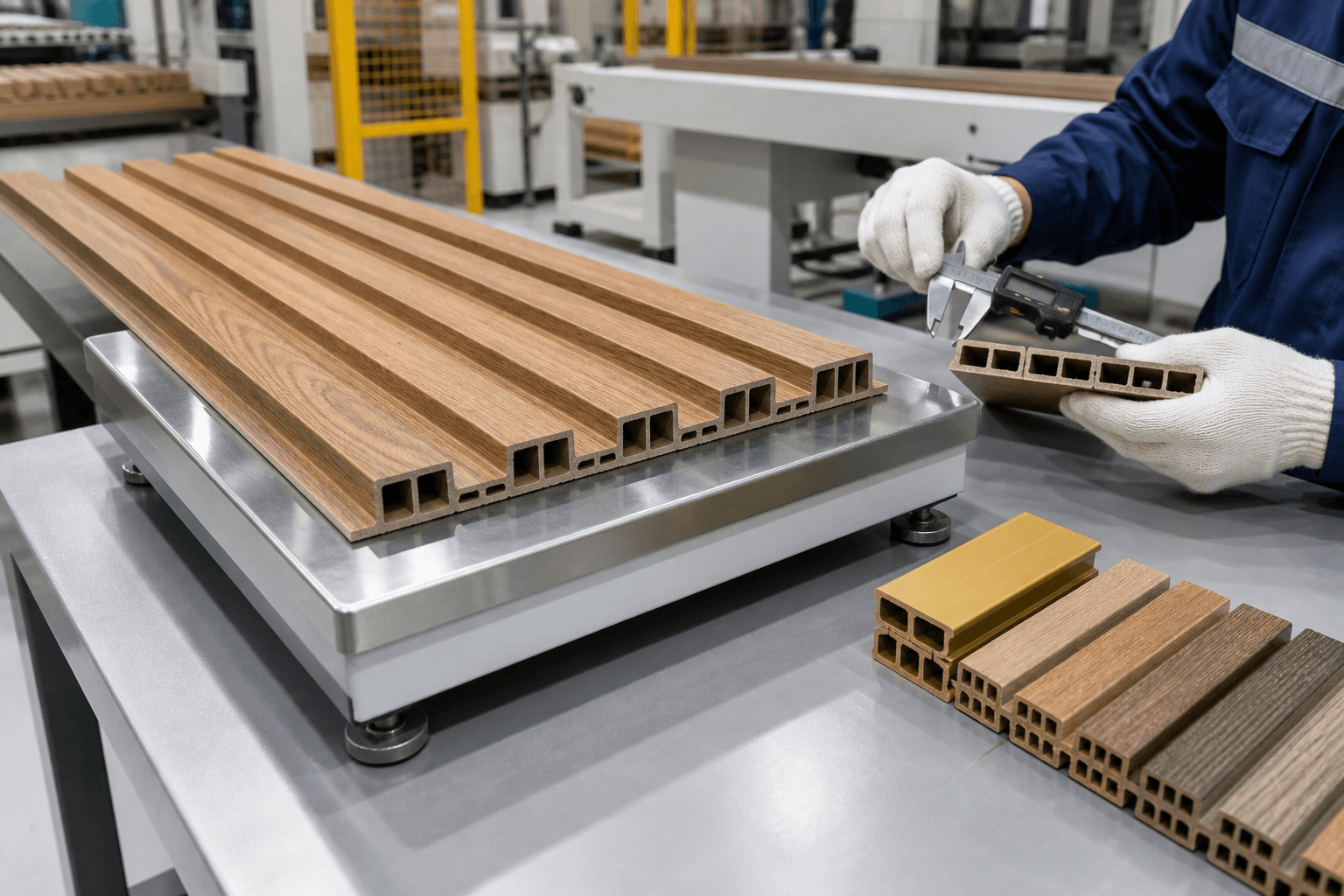
Quality control starts at the factory, long before the panels ship. At the factory, ZHONGXINGWO weighs and measures every batch of hollow profiles to keep density consistent. Consistent density matters because it keeps the quoted weight saving real for every order. Buyers can also review panel density and thickness standards to understand what the numbers mean.
For a broader sourcing checklist, see the wholesale WPC wall panel supplier guide. It covers specifications, packing, and order planning in one place. Pair it with this article when training new sales staff.
Need help sourcing lightweight hollow WPC panels? Send us an inquiry with your project details. Our specialists will reply and help you.
