

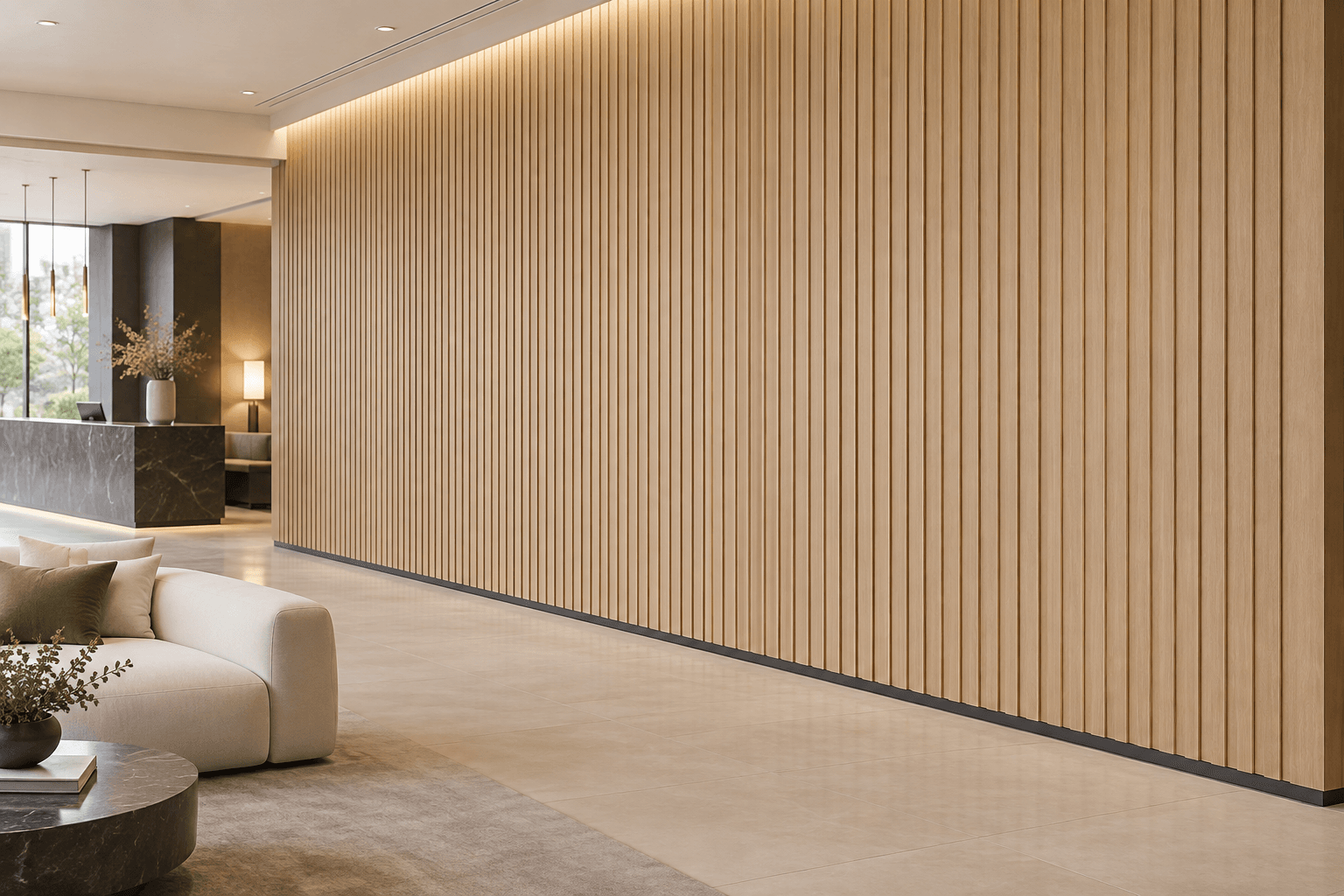
A carbon crystal panel vs bamboo charcoal panel choice often confuses first-time buyers. The two names sound like rival products. In practice, they often describe parts of the same board. This guide explains the difference in plain terms and shows how to compare options before you order.
The confusion comes from how sellers name panels. Some sellers name a panel after its core, while others stress the surface layer. A board can carry both names at once, so the label depends on the seller focus. For example, a bamboo charcoal core can sit under a carbon crystal surface.
This article compares structure, finish, use, and buying checks side by side. It builds on our complete buyer’s guide to bamboo charcoal wall panels and carbon crystal boards. That guide covers specs, sizes, and quality checks in more detail. Read it first if you need the full buying picture, then use this page to settle the naming question.
Buyers who compare panels should start with the product structure. A clear structure tells you what each name means and which questions to ask. The next sections break down cores, surfaces, and finishes. They also show where each type fits well.
Price gaps often track the same facts. Core quality, film type, size, and order size move the quote. A low quote may hide a thin core or a weak film. Ask for the same sheet from each seller to compare quotes fairly.
Some buyers search for carbon crystal panel vs wood veneer panel when they compare looks.
Carbon Crystal Panel vs Bamboo Charcoal Panel: The Core Difference
A carbon crystal panel takes its name from its hard surface layer. The surface often looks like stone, marble, or metal. It gives the board a smooth, firm face, while the core below can use several fiber mixes. The name says little about the core by itself.
In a carbon crystal panel vs bamboo charcoal panel comparison, the second name points to the core. The core uses bamboo charcoal fiber pressed into a firm board. The face shows a wood grain print or a thin wood-look film.
Research on bamboo charcoal and its porous structure studied Moso bamboo biochar in lab tests. Panel makers use the fiber mainly for a light, stable core.
Why the Names Overlap
The two names can describe one board. A bamboo charcoal core can carry a carbon crystal surface. In that case, both labels fit the same product.
Sellers often pick the label that matches the buyer question. A buyer who asks about looks hears the surface name. A buyer who asks about the core hears the fiber name.
So the right question is not which name wins. The right question is what sits inside the board. Ask for the core mix, the surface type, and the film type.
Ask for the board thickness and the finish code as well. Then compare boards with the same facts on each side. Any fair verdict depends on the specific product structure and test report.
Catalogs and quotes often mix the names too. One seller may list a board by its core. Another may list the same board by its surface.
A third may use a brand line name instead. Cross-check the finish code and the core mix on each quote. The codes tell you more than the title line does.
Structure and Surface: How the Two Panels Differ
A carbon crystal panel vs bamboo charcoal panel check should start with the layers. Each board has a core, a decor face, and a back layer. The core gives the board its body and flatness.
The decor face gives it the wood, stone, or metal look. The back layer helps the board stay flat after install.
Core Layers at a Glance
| Feature | Carbon crystal surface board | Bamboo charcoal core board |
|---|---|---|
| Core | Fiber core with a hard crystal face | Bamboo charcoal fiber core |
| Surface | Stone, marble, or metal look | Wood grain or wood-look film |
| Finish range | Gloss, matte, and mirror looks | Warm wood tones and plain colors |
| Common use | Feature walls and retail spaces | Homes, hotels, and offices |
| Buying note | Check surface hardness and film type | Check core density and film type |
The table shows the naming split in one view. The left column stresses the surface. The right column stresses the core.
Many real boards mix both traits at once. So read the product sheet, not the label alone. The sheet should list each layer in plain terms.
Surface Finishes and Looks
Surface finish shapes the final look more than the core name does. Wood grain suits warm rooms and calm hotel styles, while marble patterns suit lobbies and bright retail walls. A metal-texture carbon crystal panel shows how a stone-look face can read as modern slate. Compare finish samples under the room light before you choose.
Mirror and gloss faces need a closer look at samples. A small sample can hide glare that a full wall will show. An HD metal mirror film carbon crystal panel gives a bright, reflective face for modern shops. Check the sample at arm length and at room distance, and note how the film handles marks from daily use.
A carbon crystal fiber wall panel board pairs a fiber core with a crystal face. It suits buyers who want a firm board with a clean finish. Ask the seller which fiber mix sits in the core and which film type covers the face. Then match the board to the room style and the install plan.
Finish codes help you reorder the same look later. Note the code for each board you shortlist. Keep a small sample chip with the code on it. The chip helps your team match new stock to old walls and helps the seller quote the same finish twice.
Where Each Panel Works Well
Use comes before looks in most buying choices. A carbon crystal panel vs bamboo charcoal panel pick should follow the room, not the label.
A busy shop needs a face that hides marks. A calm bedroom needs a warm tone more than a hard face. Start with the room, then pick the finish.
Carbon Crystal Panel vs Bamboo Charcoal Panel for Hotels and Shops
Hotels and shops often mix both board types in one site. A carbon crystal panel vs bamboo charcoal panel plan can split by zone. Use stone-look faces for lobbies and front walls, and wood-look faces for rooms and calm corners. The mix keeps the site look fresh without extra cost.
Retail walls face scuffs, carts, and daily touch. A firm face helps the wall stay tidy for longer. Ask for care notes for each finish you shortlist, and wipe tests on a sample show marks fast. Pick the face that still looks clean after the test.
Offices and meeting rooms follow the same split. Stone-look faces suit reception walls and front desks, while wood-look faces suit meeting rooms and quiet zones. Test the look under the room lights first. A finish that looks warm at noon can look cold at night.
A bamboo charcoal wood veneer panel suits rooms that need a warm wood look.
Wet Areas and High-Traffic Spaces
Wet areas need care in any panel choice. These boards suit dry interior walls. Check the test report before you use them near water. Ask the seller which rooms the board suits, and do not guess from the finish name alone.
High-traffic zones need the same care. Corridors, stairs, and entry walls take more hits, so a firm core and a tough film help there. For a full check list, read this spec and quality guide for carbon crystal panels. It lists core checks, surface checks, and sample steps.
Ask for a small offcut before you commit to a large order. Bend it gently to feel the core strength. Look at the cut edge for voids or uneven layers. Check the face for print sharpness and even color, since a quick sample check can save a costly dispute later.
How to Choose and What to Ask Before You Order
A short list beats a long search. Pick two or three boards that fit your room and your stock plan. A carbon crystal panel vs bamboo charcoal panel shortlist should use one sheet for all options. List core, surface, size, finish, and test needs side by side, then ask each seller for the same facts.
- Compare the carbon crystal panel vs bamboo charcoal panel options on one sheet.
- Ask for the core mix and the surface film type in writing.
- Request test reports that match the exact board you will buy.
- Confirm size, thickness, finish code, and pack count per carton.
- Check a sealed sample before you approve bulk production.
When you weigh a carbon crystal panel vs bamboo charcoal panel shortlist, use a fixed checklist. For a focused checklist, read this buyer’s quality guide to bamboo charcoal carbon crystal panels. It walks through sample steps and core checks.
ZHONGXINGWO supplies wall panels for distributors and project buyers, so share your room plan and target sizes with your seller. A clear brief leads to a clear quote.
Final Checks Before You Confirm
Order steps matter as much as the board itself. Ask about minimum order size per finish and per color, plus sample lead time and bulk lead time. Confirm carton counts, pack style, and port terms in the contract. A carbon crystal panel vs bamboo charcoal panel order should rest on the same facts on both sides.
Keep all quotes and test reports with the contract. Note the finish code, size, and thickness on each line. If bulk goods differ from the sealed sample, raise it fast. Clear records make fixes much easier and help your next order run smooth.
Some buyers phrase the same search as carbon crystal board vs bamboo charcoal board.
Not sure which panel fits your project? Send us an inquiry with your project details. Our specialists will reply and help you.
