

Distributors often compare bamboo charcoal panel vs pvc marble sheet before they stock a new line. Both panels suit modern interiors, yet they differ in core, cost, and care. This guide explains each difference in plain terms and helps you match the right panel to each project.
For the full buying picture, read this complete buyer’s guide to bamboo charcoal wall panels. It covers specs, sizes, and ordering steps, so use it with this comparison when you plan stock.
PVC marble sheets give a stone look at a modest cost. Bamboo charcoal panels offer a warm wood or fabric feel. Neither option suits every room, so the choice depends on the job, and this article compares facts only.
Read the cost, durability, and use-case sections in order, and each section ends with a short takeaway for buyers. You can then shortlist one panel type per project.
Bamboo Charcoal Panel vs PVC Marble Sheet: How the Two Materials Differ
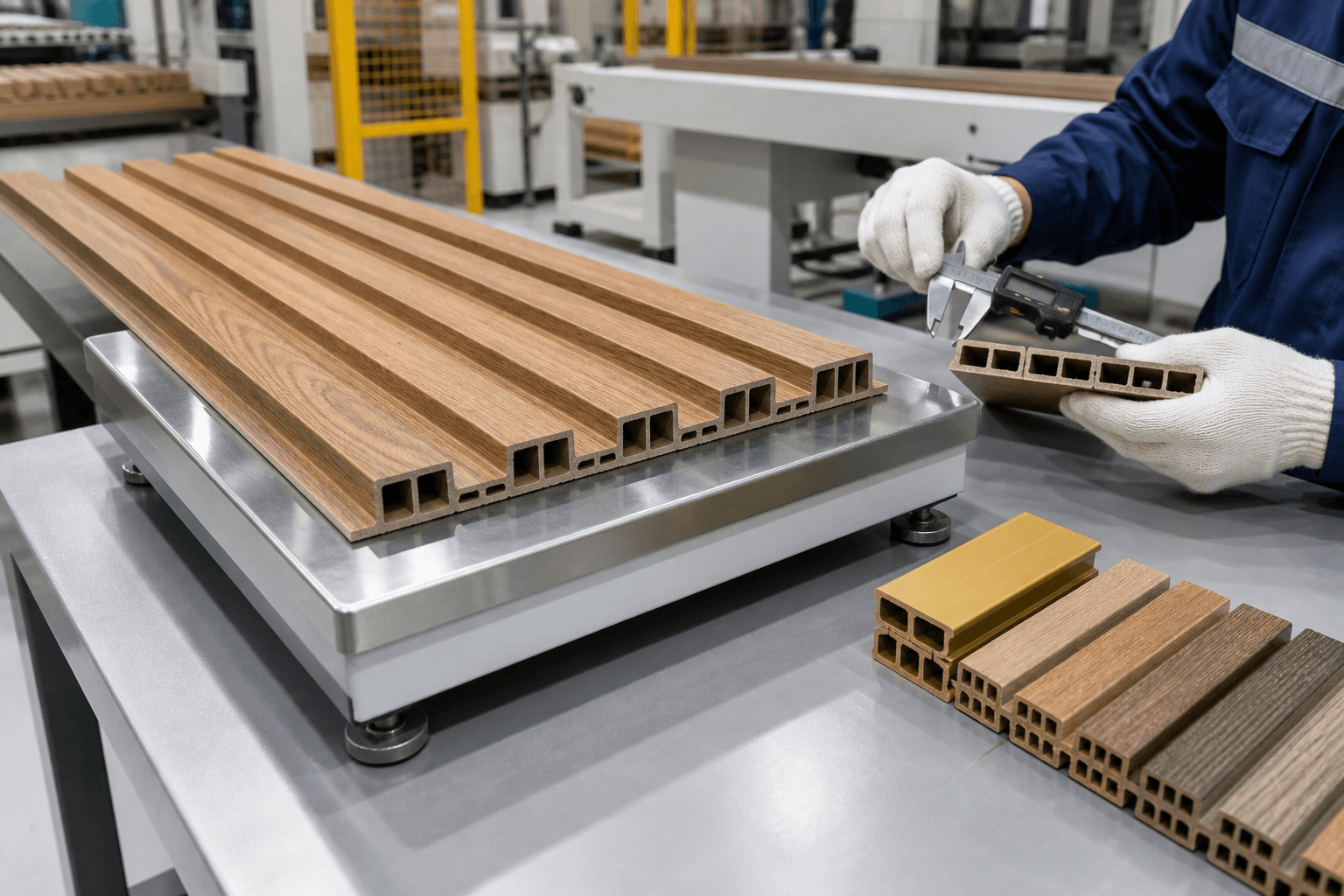
A bamboo charcoal panel vs pvc marble sheet comparison starts with the core. Bamboo charcoal panels use bamboo fiber, resin, and mineral fillers in a rigid core. A printed film gives the face its wood, stone, or fabric look. PVC marble sheets use a PVC sheet base with a printed marble pattern and a UV coat.
Bamboo Charcoal Panel Structure
Carbonized bamboo fiber gives these panels their name and dark core. Research on bamboo charcoal describes its porous structure and notes how the fiber takes up moisture and gases. Panel makers value the fiber for its light weight and steady form.
The core mix also holds PVC resin as a binder, and mineral fillers add weight and stiffness to the board. Workers extrude the mix, then cool and cut it to size. A decor film bonds to the face in a final step.
PVC Marble Sheet Structure
A PVC marble sheet starts as a flat PVC sheet, and printers add a marble pattern to the face. A UV coat seals the print and adds shine, and the sheet stays thin and light for wall cover work.
Some sheets add a foam or mineral back layer, and that layer can improve flatness on uneven walls. Check the data sheet for the exact build, since two sheets with the same look can differ inside.
Sizes and Edge Profiles
Both types ship in set widths and lengths, and bamboo charcoal boards often come in wide planks with groove edges. PVC sheets come in broad flat sheets for fast cover work, so ask for the size list first.
The bamboo charcoal panel vs pvc marble sheet choice often starts here. A thick rigid core suits new feature walls, and a thin sheet suits quick cover work over old walls. Match the build to the wall first, then the look.
Cost: What Drives the Price of Each Option
Cost shapes most stock decisions, so compare the full job cost. Bamboo charcoal panel vs pvc marble sheet prices move with thickness, finish, and order size. Thicker boards and rich finishes cost more to make, and larger orders often bring a lower unit cost.
Material cost is only one part of the total, and freight depends on board weight and carton size. Thick rigid boards weigh more per carton than thin sheets, and that weight can lift freight cost on long routes.
Install labor also shifts the balance between the two, and rigid panels need true walls and neat edge trim. Thin sheets fit fast over flat old walls, so ask installers for a labor quote before you fix a price.
Bamboo Charcoal vs PVC Wall Panel Cost
The bamboo charcoal vs pvc wall panel cost gap comes from several factors. Core mix, board thickness, and film grade all shape the unit price. Print detail and surface texture add further cost steps, so compare quotes on the same size and finish.
A bamboo charcoal panel vs pvc marble sheet quote should list the same terms. Check board size, thickness, film type, and carton count, and ask if trim and glue sit in the price. A clear quote makes two suppliers easy to compare.
Plan the order size with care before you buy, and small trial orders test the finish and the fit. Larger orders cut unit cost yet tie up cash and space, so balance the trial size with the project date.
Durability and Maintenance in Daily Use
Both panels suit dry indoor walls, yet their wear paths differ. Bamboo charcoal panel vs pvc marble sheet durability depends on the face film and the room. Kitchens and halls see more knocks than calm bedrooms, so match the panel to the traffic level of each room.
Rigid bamboo charcoal boards hold their shape well on flat walls, and their film resists light scuffs from daily use. Deep cuts or hard hits can still mark the face, and damaged boards need a swap, since spot fixes show.
PVC marble sheets resist water well on the face, and their UV coat shields the print from stains and wear. Sharp items can scratch the coat and dull the shine, and a torn sheet often needs a full piece swap.
Cleaning and Upkeep
Both types clean with a soft cloth and mild soap, so avoid harsh pads that dull the film or coat. Wipe spills soon to stop marks from setting, and test a hidden spot first with a new cleaner.
Sunlight can fade prints over time in bright rooms, so check if the film or coat resists fade in sun. Move sample boards to the sun side for a test, and a quick test shows the tone shift early.
In damp rooms, check edges and joints on a set schedule, since trapped water can lift films and spoil looks. Vent the room well after steam or heavy use, and small checks now save larger fixes later.
Ask the supplier what care the finish needs. Some films need only a damp wipe, while others need a set cleaner. Get the care note in writing with the order, and a written note helps staff keep the finish safe.
A bamboo charcoal panel vs pvc marble sheet plan should name who handles upkeep. Hotels and shops need clear cleaning rules for staff, and homes need simple care notes for the owner. Clear rules protect the finish for years.
Where Each Panel Fits Best
Room use decides the winner more than looks alone. A bamboo charcoal panel vs pvc marble sheet pick should start with the room. Homes, hotels, and shops each set their own demands. The table below sums up the fit at a glance.
| Room | Bamboo charcoal panel | PVC marble sheet |
|---|---|---|
| Bedroom and living room | Warm wood or fabric look | Bright stone look, light build |
| Hotel lobby and corridor | Rich feature wall, steady form | Fast cover, easy wipe clean |
| Shop and office | Calm backdrop for displays | Bold marble face, quick fit |
| Bathroom and kitchen | Dry zones only, mind steam | Water-wise face, mind joints |
Homes and Hotels
Homes favor warm tones in living rooms and bedrooms. Bamboo charcoal panels suit feature walls behind beds or sofas. PVC marble sheets suit bright kitchens and bath fronts. Both can work in one home in different rooms.
Hotels need fast fit and easy upkeep across many rooms. PVC sheets cover large walls fast and wipe clean. Bamboo charcoal panels dress lobbies and suites with depth. For a closer look at PVC supply, read this PVC wall panel manufacturer guide.
Shops and Offices
Shops and offices need a calm backdrop that lasts. A bamboo charcoal panel vs pvc marble sheet choice here weighs brand feel. Wood tones suit warm brands, while marble suits bold modern shops. Test both looks on a sample wall first.
High traffic calls for tough films and spare stock. Keep spare boards for quick swaps after damage. Order trims with the first batch to match the tone. A small spare stock keeps shops open during fixes.
Ask for a sample pack before you commit to a line. A sample pack shows the true tone and the edge fit. Compare it with the stock you already sell. A pack costs little yet stops wrong stock.
How Distributors Can Help Clients Choose
Distributors add value by guiding the choice, not just the sale. A bamboo charcoal panel vs pvc marble sheet talk should start with the room and budget. Ask where the panel goes and how much traffic it sees. Then show samples of both types side by side.
Explain the trade-offs in plain words to each client. Note that thick boards cost more yet hold shape well. Note that thin sheets fit fast yet mark more easily. Honest trade-offs build trust and cut returns.
- Ask the room type, traffic level, and moisture risk first.
- Match board thickness and film grade to that room.
- Show both finishes on real samples, not phone photos.
- Quote the full job cost, with trim and freight.
Point clients to the two bamboo charcoal types when they ask. This carbon crystal panel vs bamboo charcoal panel guide explains how the two differ. Use it when a client mixes up the two names. Clear names stop wrong orders.
Stock samples of both looks and both thicknesses. A metal texture carbon crystal panel shows the finish and board style clearly. The 5mm/8mm water ripple board shows how thin boards hold a decor film. ZHONGXINGWO supplies wall panels for distributors and project buyers.
For a side-by-side of the two panel families, check the carbon crystal panel vs uv marble sheet angle too. It helps when a client asks for a stone look in either range. Compare the film grade and core build, not just the print. A fair check keeps the choice honest.
The bamboo charcoal panel vs pvc marble sheet choice has no single winner. Thick bamboo charcoal boards suit warm feature walls and calm rooms. Thin PVC marble sheets suit fast cover work and wet zones. Pick the build that fits the room, then the look that fits the brand.
Need help with bamboo charcoal panel sourcing? Send us an inquiry with your project details. Our specialists will reply and help you.
