

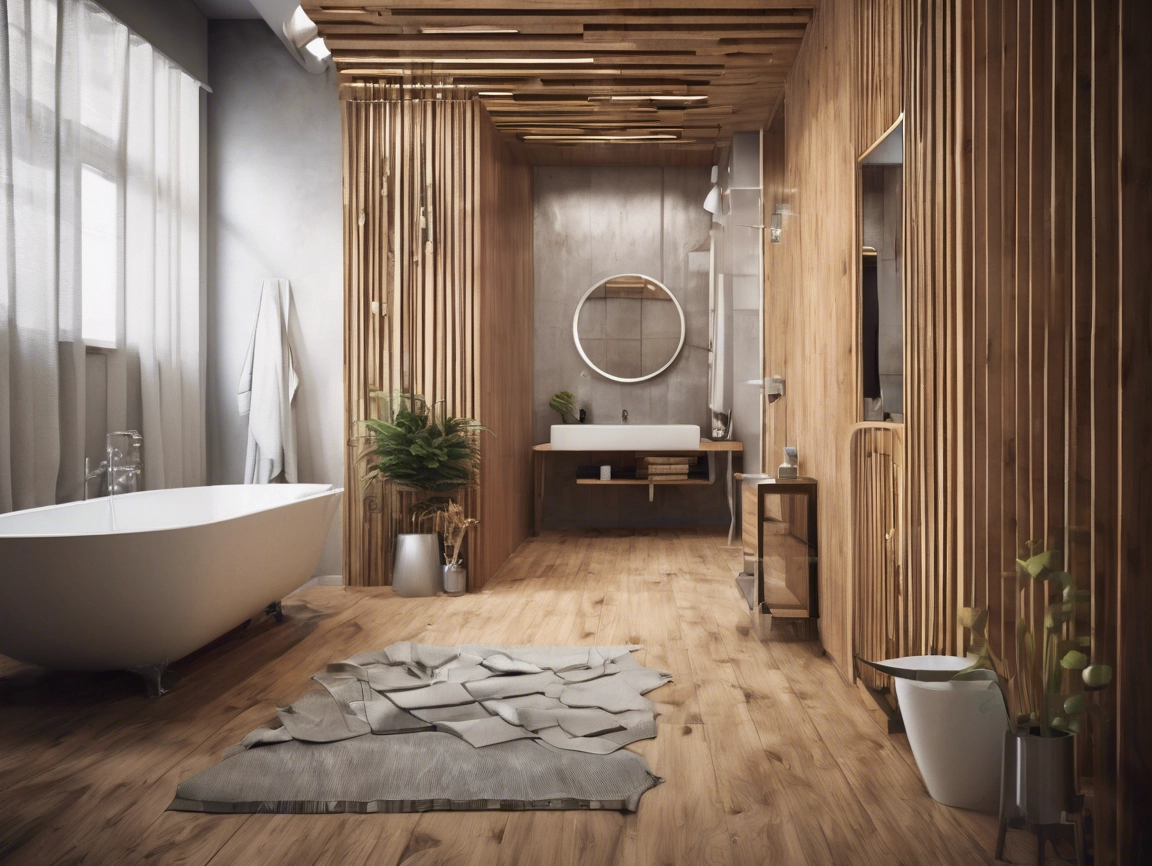
What is a bamboo charcoal panel? It is a light interior wall board with bamboo charcoal fiber in its core. A printed film gives the wood, marble, or cloth look. It suits homes, hotels, shops, and offices. This guide explains the material, the board types, and the sourcing checks in plain words.
Buyers meet this panel under many names. Carbon crystal panel, bamboo charcoal board, and bamboo fiber board all point to the same family. The names differ by film and finish, not by core idea. This guide clears up the terms, so you can order with trust.
The panel is a decorative board, not a structural board. It dresses a wall, and it hides old paint or tile. It installs fast with glue and trim. That speed is why hotels and shops pick it for quick refits.
Read on for the core, the types, the sizes, and the factory checks. Each section stays short and practical. By the end, you can brief a supplier in one call.
What Is a Bamboo Charcoal Panel? The Core in Plain Words
A bamboo charcoal panel has three layers. The core holds bamboo charcoal fiber mixed with PVC resin. The film gives the look. The surface coat guards the print. Together they form a light, stiff board.
The fiber comes from bamboo charcoal, which is bamboo burned with low oxygen. Makers grind it fine and mix it into the board. The fiber can help absorb odors in a room. It does not replace fresh air, but it adds a small bonus.
So what is a bamboo charcoal panel made of, in one line? It is a PVC-based board with bamboo charcoal fiber, a printed film, and a clear coat. The mix keeps the board light and easy to cut. It also keeps the cost below solid wood.
The board is not solid bamboo. It does not use bamboo strips or bamboo ply. The bamboo enters as charcoal fiber only. That fact matters when a client asks about the material.
Where do buyers fit these boards? They fit living rooms, bedrooms, hotel rooms, and shops. They also fit ceilings and columns. They do not fit exterior walls. They do not fit shower zones. Match the room first, then pick the finish. So what is a bamboo charcoal panel best for? It is best for dry interior walls that need a fast, neat finish.
Board Types Buyers Meet Most
Carbon Crystal Boards
Carbon crystal boards are the best-known type. They use a hard core with a marble or stone print. Sizes run to 1220 by 2440 mm, and some lines offer 1220 by 2900 mm. They suit feature walls and TV walls well.
The carbon crystal fiber wall panel board shows the marble-look range. It comes in gloss and matte finishes. Matte suits bright rooms, as it cuts glare.
Wood Veneer Boards
Wood veneer boards print a wood grain on the same core. They give a warm look at a low cost. They suit bedrooms, offices, and shop fronts. The grain runs in long lines, so seams stay neat.
What is a bamboo charcoal panel with a wood look best for? It suits rooms that want warmth without solid wood cost. It also suits rental refits, as it installs fast and swaps out fast.
Flexible and Bendable Boards
Some boards bend around curves and columns. A thin flexible board wraps a round pillar with ease. Installers glue it in place and trim the edge. It suits hotel lobbies and retail displays.
Ask the supplier for the bend radius before you order. A tight curve needs a thin board. A gentle curve takes a standard board. Test one sheet on a mock curve first.
PET Mirror Boards
PET mirror boards add a bright metal or mirror film. They suit modern shops and showrooms. The shine lifts a dim room. They need more care, as marks show fast on a gloss face.
The HD metal mirror film bamboo charcoal board shows this finish. Wipe it with a soft cloth only. Keep spare sheets, as a scratched face is hard to fix.
How to Pick a Type
Start with the room, not the catalog. A dry living room takes any type. A shop front takes a gloss or mirror face. A curved column needs a flexible board. A hotel corridor needs a matte board that hides marks. Then check the size and the thickness. A 1220 by 2440 mm sheet suits most walls. An 8 mm board suits high-traffic rooms. Ask one more question before you order: what is a bamboo charcoal panel type that your installer knows well? A known type installs fast, with fewer callbacks.
Sizes, Thickness, and Surface Options
The table below lists the common specs. They come from factory lines, so check each order against them. A supplier who lists other sizes should show the test data.
| Board type | Thickness | Sheet size | Finish | Best use |
|---|---|---|---|---|
| Carbon crystal board | 5 mm, 8 mm | 1220 by 2440 mm | Gloss, matte | Feature walls, TV walls |
| Wood veneer board | 5 mm, 8 mm | 1220 by 2440 mm | Matte, wood grain | Bedrooms, offices |
| Flexible board | 3 mm, 5 mm | 1220 by 2440 mm | Gloss, matte | Columns, curves |
| PET mirror board | 5 mm, 8 mm | 1220 by 2440 mm | High gloss | Shops, showrooms |
Thickness shapes the feel of the wall. An 8 mm board feels firm and hides small wall bumps. A 5 mm board bends more and suits flat walls. Pick 8 mm for high-traffic rooms.
For the full spec sheet, see our carbon crystal panel specifications guide. It covers thickness, sizes, and density in more depth.
How Factories Make the Panels
Carbonization
Makers burn bamboo with low oxygen to form charcoal. They grind the charcoal to a fine powder. The powder then mixes into the board resin. The American Bamboo Society notes that bamboo grows fast. It regrows from the same root, which is why makers value it as a raw material.
Extrusion and Pressing
The mix feeds an extruder, which forms a flat board. The board cools and then cuts to size. Workers check the edge for voids and the face for dents. A good line rejects weak boards at this stage.
What is a bamboo charcoal panel core meant to do? It must hold the film flat and take glue well. A dense core does both. A soft core dents fast, so check the edge with a thumb.
Film and Finish
Workers press the printed film onto the board face. A clear coat then guards the print from scuffs. The film edge must wrap clean with no lift. A lifted edge peels fast in daily use.
For a look inside a plant, see our bamboo charcoal panel factory guide. It walks through carbonization, raw materials, and the extrusion line.
Quality checks run at each step. Workers check the core edge, the film bond, and the face gloss. A board that fails one check leaves the line. That is why a good factory shares its reject rate with pride. Ask for it on your next visit. A low reject rate is a good sign.
How to Source Bamboo Charcoal Panels
Sourcing starts with a clear brief. List the room, the finish, the size, and the volume. Then ask for a sample and the test reports. A clear brief gets a fast, fair quote.
- Ask for the E0 formaldehyde report and the B1 fire test report.
- Check thickness: 5 mm and 8 mm are the common specs.
- Check the sheet size: 1220 by 2440 mm is the standard size.
- Order a sample and test the surface with a damp cloth.
- Ask for the MOQ, the lead time, and the sea freight packing.
- Ask how the factory marks each box by room and pattern.
Compare three quotes on the same spec. A low quote on a thin board is not a fair match. A fair quote lists thickness, film, and packing in full. Keep the sample with the order file.
ZHONGXINGWO supplies the sheets, trims, and mount advice in one order. Our complete B2B buyer guide to bamboo charcoal wall panels covers price, MOQ, and factory checks in full.
Questions Buyers Ask Most
Q: What is a bamboo charcoal panel used for?
A: It dresses interior walls in homes, hotels, and shops. It suits feature walls, TV walls, and ceilings. It does not suit exterior walls or shower zones.
Q: What is a bamboo charcoal panel made of?
A: It is a PVC-based board with bamboo charcoal fiber, a printed film, and a clear coat. It is not solid bamboo. The fiber gives odor control, and the film gives the look.
Q: Is a bamboo charcoal panel waterproof?
A: The face resists splashes, but the board is not a shower board. Use it on dry walls, away from direct spray. Seal the joints and the base trim well.
Q: How thick should the panel be?
A: Pick 5 mm for flat walls and low-traffic rooms. Pick 8 mm for firm feel and high-traffic rooms. Both sizes come in 1220 by 2440 mm sheets.
Q: What is a bamboo charcoal panel vs WPC?
A: Bamboo charcoal panels print many looks on a light core. WPC panels use a wood-plastic core with a fluted face. See our bamboo charcoal panel vs WPC comparison for the full side-by-side read.
Need a bamboo charcoal panel spec sheet for your next project? Send us an inquiry with your room size and finish. Our specialists will reply and help you.
