

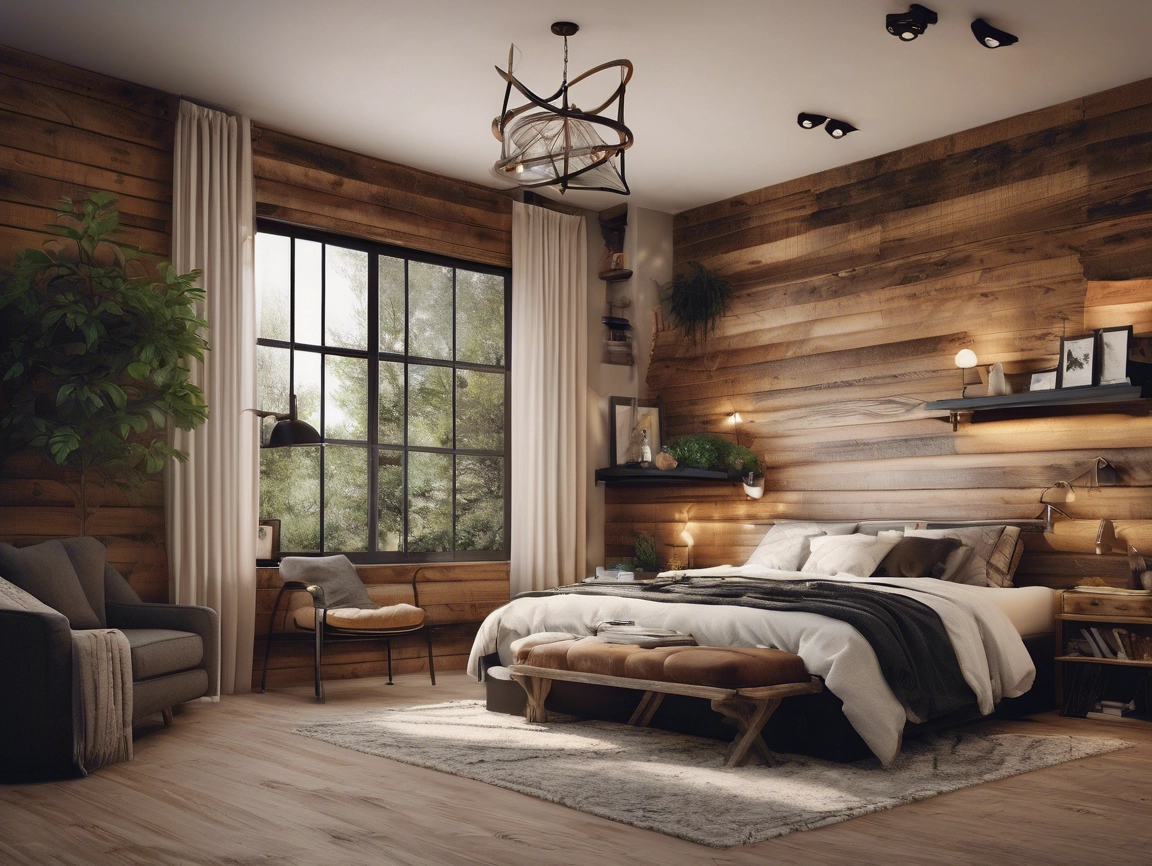
Buyers love the warm wood look of bamboo charcoal panels. Yet the disadvantages of bamboo charcoal panels deserve a fair look before you order. These boards suit many dry rooms, but they are not the right fit for every wall. This guide explains the real downsides in plain terms.
It covers the disadvantages of bamboo charcoal panels in four areas: water, scratches, fading, and quality gaps. For background on the raw material, see the Bamboo charcoal page on Wikipedia. It also compares bamboo charcoal panels with WPC and PVC boards. By the end, you will know where these panels work well and where to avoid them.
For a basic primer on the material, read what is a bamboo charcoal panel. That page explains the core, the face, and the common uses. Then return here to weigh the downsides with clear eyes.
The Main Disadvantages of Bamboo Charcoal Panels
The disadvantages of bamboo charcoal panels fall into four groups. Water is the first group, and it causes the most harm. Surface wear is the second group, and it shows in daily use. Quality gaps form the third group, and they vary by supplier. Install limits form the fourth group, and they raise the skill bar.
The disadvantages of bamboo charcoal panels often start with wrong placement. A panel that suits a dry feature wall may fail near a shower. A dark matte face may look rich in a bedroom yet show dust in a bright hall. So the same board can pass in one room and fail in the next.
Where the Problems Show First
Wet zones show problems first, and they show them fast. Edges swell, joints open, and faces stain when water sits too long. High traffic zones show problems next, since bags, chairs, and carts scuff the face. Sunny walls show fading last, yet the change still comes with time.
- Water damage near showers, sinks, and damp walls.
- Scratches and dents in busy corridors and shops.
- Dust and fading on dark faces in bright rooms.
- Uneven quality between batches from weak suppliers.
- Tight install needs, with neat trim and clean joints.
That list sums up the honest trade-off in one view. The panel looks warm and costs less than solid wood in most cases. Yet it needs dry rooms, gentle use, and a careful supplier. Keep those limits in mind as you read on.
Water and Damp: The Biggest Weakness
Water is the main weakness of bamboo charcoal panels. The core can take in water when edges stay wet for long. Joints and trims are the weak points, since water can creep in through small gaps. Once the core swells, the face may lift or the joint may open.
Direct spray is the worst case, so keep these panels out of shower zones. Splash zones near sinks also need care, since drops add up day by day. A sealed trim helps, but it does not turn the board into a waterproof panel. So treat water rules as hard limits, not soft advice.
Bamboo charcoal panel durability drops fast in wet use. A board that lasts well in a dry room may swell in a damp one. Buyers who ignore this gap often blame the board, yet the room was the wrong pick. Choose the room with the same care as the board.
Humid Rooms Need Extra Care
Bathrooms, kitchens, and basements need extra thought before you fit these panels. Steam from a hot shower can reach joints that look sealed. Cooking steam can do the same near a stove wall. So use these panels on dry walls only, away from steam and spray.
If a bathroom wall must use a panel, pick a dry zone far from water. Keep the panel off the shower wall and off the sink splash line. Seal the base trim and check it twice a year. Even then, watch the joints for the first signs of lift.
- Keep panels out of shower zones and direct spray.
- Seal the base trim and check joints twice a year.
- Fix damp walls and leaks before you fit any panel.
- Use fans or windows to keep humid rooms dry.
For fire and safety notes on these boards, read our guide on bamboo charcoal wall panel fire rated options. That guide covers ratings and safe use in plain terms. Water rules and fire rules both shape where the panel fits.
Scratches, Fading, and Daily Wear
The face of a bamboo charcoal panel looks smooth, yet it can scratch. Keys, bags, chair backs, and toy carts can leave fine marks. A matte wood face hides light marks well, but a deep scratch still shows. So busy rooms need more care than calm rooms.
Dark colors show dust and fine scratches more than light colors. A dark walnut face can look dusty soon after a wipe. Bright sun makes the marks stand out even more. So pick light or mid-tone faces for bright, busy rooms.
The disadvantages of bamboo charcoal panels include fading on sunny walls. Strong sun through glass can bleach the face bit by bit. The change is slow, yet a spare board will show the gap with time. So keep panels out of harsh direct sun where you can.
How Wear Builds Up Over Time
Trim and corners take hits first, since they stick out from the wall. A neat trim can hide small marks, yet a cracked trim draws the eye. So check the trim when you check the face. A small fix early keeps the wall neat for longer.
Spare boards help a lot with wear, so order a few extra pieces. A spare board lets you swap one bad piece fast. It also gives a true color match for fade checks. Keep spares dry and flat, out of strong sun.
A metal texture carbon crystal bamboo charcoal wall panel suits rooms that need a firm face with a modern look. Match the finish to the room first, then fix the trim. A firm face still needs gentle care each day.
Quality Gaps: Core, Surface, and Test Reports
Quality varies a lot between bamboo charcoal panel suppliers. Some boards have a dense, even core, while others hide voids inside. A weak core dents with light knocks and breaks at the cut edge. So the core is the first thing to check on a sample.
The disadvantages of bamboo charcoal panels include weak face films. Thin films scratch fast and peel at the edge. A good face feels smooth and holds its print under a soft wipe. A weak face feels rough or shows print flaws in bright light. So check the face in daylight, not under dim shop lights.
Glue and resin quality also shapes the board, and buyers cannot see it. Ask the supplier for test reports on the board you plan to buy. A clear report should match the grade and the batch on your order. If the supplier cannot share one, treat that as a warning sign.
The disadvantages of bamboo charcoal panels grow worse with weak stock. A good board in a dry room can serve well for years. A weak board in the same room can dent, peel, and fade fast. So supplier checks matter as much as room checks.
How to Spot a Weak Board
Cut a sample and look at the core first. The core should look dense and even, with no large holes. Tap the face and bend the sample a little. A firm board gives a dull sound, while a weak board sounds hollow.
Check the color match across three boards at least. Hold them side by side in daylight and look for tone gaps. Check the cut edge for clean lines and a firm face bond. A face that lifts at the edge will peel with time.
- Ask for a cut sample and check the core first.
- Check the face in daylight for print flaws.
- Ask for test reports that match your grade.
- Check color match across three boards at least.
- Open packs on arrival and check edges at once.
For the full buying view, read our bamboo charcoal wall panel carbon crystal buyer guide. That guide covers grades, specs, and bulk orders in one place. It also lists the disadvantages of bamboo charcoal panels next to the grades.
Bamboo Charcoal Panels vs WPC and PVC
Bamboo charcoal wall panel cons show up clear next to WPC and PVC. WPC boards resist water better in most cases, so they suit damp rooms more. PVC boards wipe clean with ease, so they suit wet walls well. Bamboo charcoal panels win on warm wood look, yet they lose on wet use.
The disadvantages of bamboo charcoal panels shape that trade-off for each room. Use bamboo charcoal panels for dry feature walls and calm rooms. Use WPC or PVC for wet walls, busy corridors, and sunny outdoor walls. A mixed order can serve a whole project well, with each board in its best room.
| Board type | Best room | Main weakness |
|---|---|---|
| Bamboo charcoal panel | Dry feature wall | Water and scratches |
| WPC panel | Damp room and outdoor wall | Sun fading outdoors |
| PVC panel | Wet wall and ceiling | Softer face, less wood feel |
For install steps in full, read our carbon crystal panel installation guide. That guide covers fixing, gaps, and trim in plain steps. Read it before you plan the job, not after the boards arrive.
A Short Buyer Checklist
- Pick dry rooms for bamboo charcoal panels.
- Ask for a cut sample and check the core.
- Ask for test reports that match your grade.
- Check color match across three boards at least.
- Order spare boards for swaps and fade checks.
- Plan trim and joints before the crew starts.
ZHONGXINGWO supplies wall panels, trims, and install advice in one order. Match the panel to the room first, then fix the finish. A clear spec sheet helps both sides avoid disputes.
Q: What are the disadvantages of bamboo charcoal panels in bathrooms?
A: The main risk is water, and the disadvantages of bamboo charcoal panels show first at the joints. Keep them off shower walls and sink splash lines. Use them on dry walls only, and seal the base trim well.
Q: Do bamboo charcoal panels scratch easily?
A: The face can scratch with keys, bags, and chair backs in busy rooms. Light colors hide fine marks better than dark colors. Use a soft cloth for cleaning, and keep hard pads off the face.
Q: How can buyers avoid bamboo charcoal panel problems?
A: Check a cut sample, read the test reports, and match the board to a dry room. Order spare boards and check color across three pieces. A careful check now saves a swap later.
The disadvantages of bamboo charcoal panels are real. Yet they are easy to manage with the right room and the right checks. Water is the main risk, while scratches, fading, and quality gaps follow close behind. A dry room, a firm sample, and a clear test report cut most of the risk.
So weigh the warm look against the wet limits before you order. Pick WPC or PVC for wet walls, and keep bamboo charcoal panels for dry feature walls. That simple split keeps each board in its best place.
Need help choosing panels that fit your rooms? Send us an inquiry with your room type and order size. Our specialists will reply and help you.
