

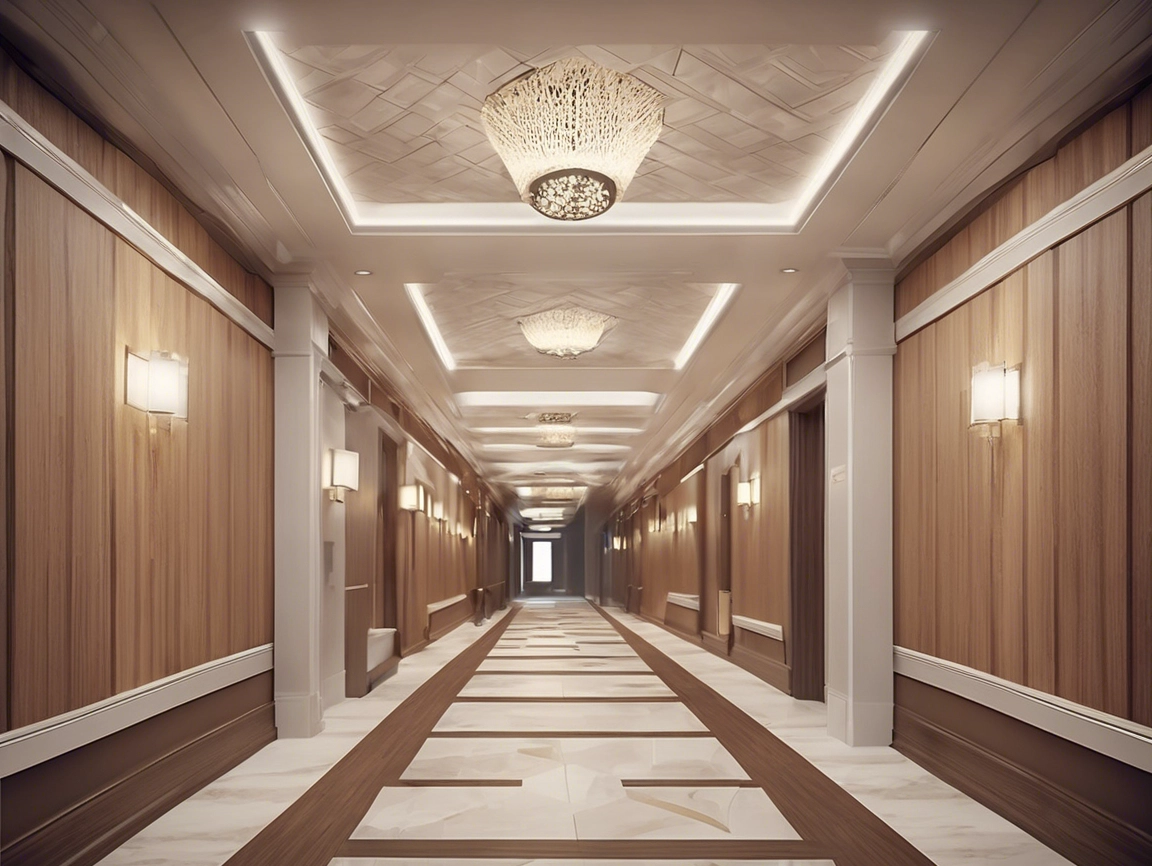
Anti-bacterial PVC wall panels for hospitals need evidence for the exact product and its planned use. A smooth or wipe clean face does not show an antibacterial effect. Buyers should review the surface, joints, cleaning process, and supporting reports with the site team.
For example, a waiting area and a controlled clinical room may need different wall details. A cleanroom also has its own defined operating and acceptance needs. So, begin with the room brief rather than a broad hygienic product label.
This guide supports product selection and evidence review, not a claim that a listed decorative panel has clinical approval. For general sourcing, start with our PVC wall panel manufacturer guide.
Define the role of anti-bacterial PVC wall panels for hospitals
First, identify the room, wall zone, cleaning routine, and applicable project criteria. Then, ask the site’s infection prevention and design teams which wall properties matter. A purchasing team should not have to infer those needs from a catalog title.
Keep cleanliness, cleanability, and antibacterial activity distinct
Cleanliness describes a condition that staff need to maintain through the approved process. Cleanability concerns whether the selected surface and details suit that process. Antibacterial activity is a separate claim that needs a defined evidence basis.
The CDC’s healthcare surface guidance emphasizes coordinated cleaning and disinfection practices. It includes input from site and infection prevention teams. Use those roles when deciding how a planned wall finish fits the site’s established program.
Anti-bacterial PVC wall panels for hospitals should not replace that cleaning program. If the buyer expects fewer cleaning steps, ask what evidence and site approval support the change. Do not derive such a promise from the material name.
Specify the actual room and wall system
Mark exposed corners, doors, sinks, service openings, and areas subject to frequent contact. Also, show where the wall meets floors and ceilings. These interfaces may affect cleanability more than the center of a smooth sheet.
Separate public areas from any space with special cleanliness or containment criteria. Then, obtain the right wall detail and acceptance brief for each zone. One attractive sample does not define suitability for every hospital room.
For moisture related junctions, our PVC bathroom wall panel guide explains why complete wall details matter. Its general junction principles can support a design discussion. They do not show a healthcare or cleanroom approval.
Check what an antibacterial test actually covers
A claim about anti-bacterial PVC wall panels for hospitals should identify a test method and tested specimen. Request the complete report rather than a percentage on a sales image. The site reviewer needs enough detail to judge what the result supports.
Match the method and specimen with the claim
ISO 22196 describes measurement of antibacterial activity on plastics and other nonporous surfaces. If a supplier cites it, check the actual report and specimen identity. A reference to the standard alone is not a product test result.
Read the product code, surface build, test conditions, organisms, and reported outcome. Also, check any limits or qualifications in the report. Keep the wording of the planned claim within the scope the evidence supports.
A laboratory surface result does not by itself demonstrate fewer infections in a working hospital. Treat that broader outcome as a separate evidence question. The site’s responsible team should assess any planned clinical claim or process change.
Review changes and any durability claim
Ask whether the tested surface matches the supplied finish, core, and manufacturing version. If a film or coating changes, identify what evidence applies to the changed build. A matching color does not prove an unchanged antibacterial surface.
Also, ask what supports any claim that the effect persists after repeated care or wear. Keep the stated exposure and test basis visible. Do not extend one new sample result into a lifetime performance promise.
Our OEM PVC wall panel customization guide explains how to control finish codes and approved samples. Use that record beside the specialist evidence review. Visual approval and antibacterial evidence answer different questions.
Review cleaning compatibility and every visible junction
Choosing anti-bacterial PVC wall panels for hospitals still needs a workable cleaning detail. The operator needs a wall that suits the approved products, tools, and routine. Review those needs before bulk orders lock in the finish and accessories.
Test the planned care routine on a suitable mockup
Provide the panel’s care instructions to the site cleaning team. Then, compare them with its established process and the cleaner’s instructions. Resolve any conflict with the right product and site specialists before use.
Check a typical mockup where the review calls for it. Include the actual panel, joints, trims, and sealing materials. A loose face sample cannot reveal every issue with a corner or service opening.
The decorative PVC marble sheet is a named decorative product that buyers can identify for inquiry. Its listing does not prove antibacterial activity or cleanroom suitability. Obtain the needed product specific evidence before considering a controlled use.
Keep junctions accessible and traceable
Show how staff will clean seams, lower edges, corners, and removable covers. Also, identify which materials form each junction. A neat trim can hide a gap without providing the approved sealed detail.
| Review area | What to record | Question to resolve |
|---|---|---|
| Surface | Exact panel and finish code. | Does the evidence match this build? |
| Cleaning | Approved routine and product instructions. | Are the materials compatible? |
| Joints | Actual profile and sealing detail. | Can staff maintain the needed condition? |
| Openings | Pipe, fitting, and access details. | How will the interface close? |
| Repairs | Replacement and resealing method. | How will the team restore the approved detail? |
Our PVC wall panel trim guide can help organize the accessory plan. Keep its decorative options subject to the hospital’s actual criteria. A general trim recommendation is not approval for a clinical room.
Separate cleanroom acceptance from a hygienic sales label
A cleanroom has defined project needs that extend beyond the decorative face. Anti-bacterial PVC wall panels for hospitals do not always satisfy those needs. Ask the cleanroom designer to define the right finish and complete wall criteria.
Resolve the project evidence before choosing a product
Identify any needed checks for particles, cleaning compatibility, sealing, emissions, or other specified properties. The exact list should come from the project brief. Avoid inventing one universal wall requirement for every controlled room.
Then, connect each requirement with a matching report, product instruction, or approved detail. Mark gaps clearly instead of accepting a general cleanroom friendly statement. This gives the supplier a precise list of questions to answer.
When discussing a product with ZHONGXINGWO, state the room class and needed evidence where the project specifies them. Request current records for the selected item. Do not infer clinical capability or cleanroom approval from a decorative product page.
Keep the reviewer and change process clear
Name who can approve the wall finish, joints, care method, and later substitutions. Different specialists may own those decisions. The buyer needs their coordinated response before releasing an unresolved product into the project.
If a supplier proposes a substitute, review the changed features before acceptance. Check whether the earlier evidence still applies. A similar size or color does not settle the effect of a changed surface build.
Also, keep the final report set with the approved drawings and samples. The fitting team needs the same version that the reviewers accepted. Clear records reduce the risk of fitting a different product than the one assessed.
Procure and hand over the approved wall package
Before ordering anti-bacterial PVC wall panels for hospitals, settle the product identity and outstanding evidence questions. Include the approved joints, accessories, care limits, and receiving checks in the supply brief. Then, connect each shipment to that record.
Check delivered identity without inventing a clinical test
Receiving checks can confirm the label, product code, dimensions, finish, and visible damage. They do not reproduce an antibacterial laboratory test or validate a hospital cleaning program. Keep routine checks and specialist acceptance distinct.
If a pack or finish differs from the approved spec, isolate it for review. Record the affected count and ask for a clear explanation. Do not install disputed material while the product identity remains uncertain.
- Match the delivered surface to the approved product and finish codes.
- Retain the full evidence set and reviewer decisions.
- Check joints and openings against the accepted details.
- Hand over care instructions and approved repair methods.
- Record any change before accepting replacement stock.
Keep care and future purchasing connected
Provide the site with the installed product codes and care records. Also, list spare stock and the matching trim codes. Staff should not need to guess the supplied finish when arranging a repair.
Keep a room list with the wall code beside each room number. Then, link the agreed drawing and sample to that code. If a room uses more than one finish, show where each one starts and stops.
For example, the wall behind a desk may use one finish while the door return uses another. Put both choices on the room record before ordering. A buyer should not have to guess from a broad floor plan.
Also, give each open question to a named team member. Set a clear point for the reply before the order moves ahead. Keep the signed response with the room file so the next shift can find it.
When a detail changes, share the same revised file with the buyer, site team, and supplier. Remove the old copy from the active work pack. Keep its history in the order file rather than asking crews to compare several live versions.
Finally, assess claims through evidence and the actual operating process. A hygienic wall choice combines a suitable surface with maintained joints and approved care. Clear product records help the site preserve that basis throughout later changes.
Need help reviewing anti-bacterial PVC wall panels for hospitals? Send us an inquiry with your room brief and needed evidence. Our specialists will reply and help you identify the right product details.
