

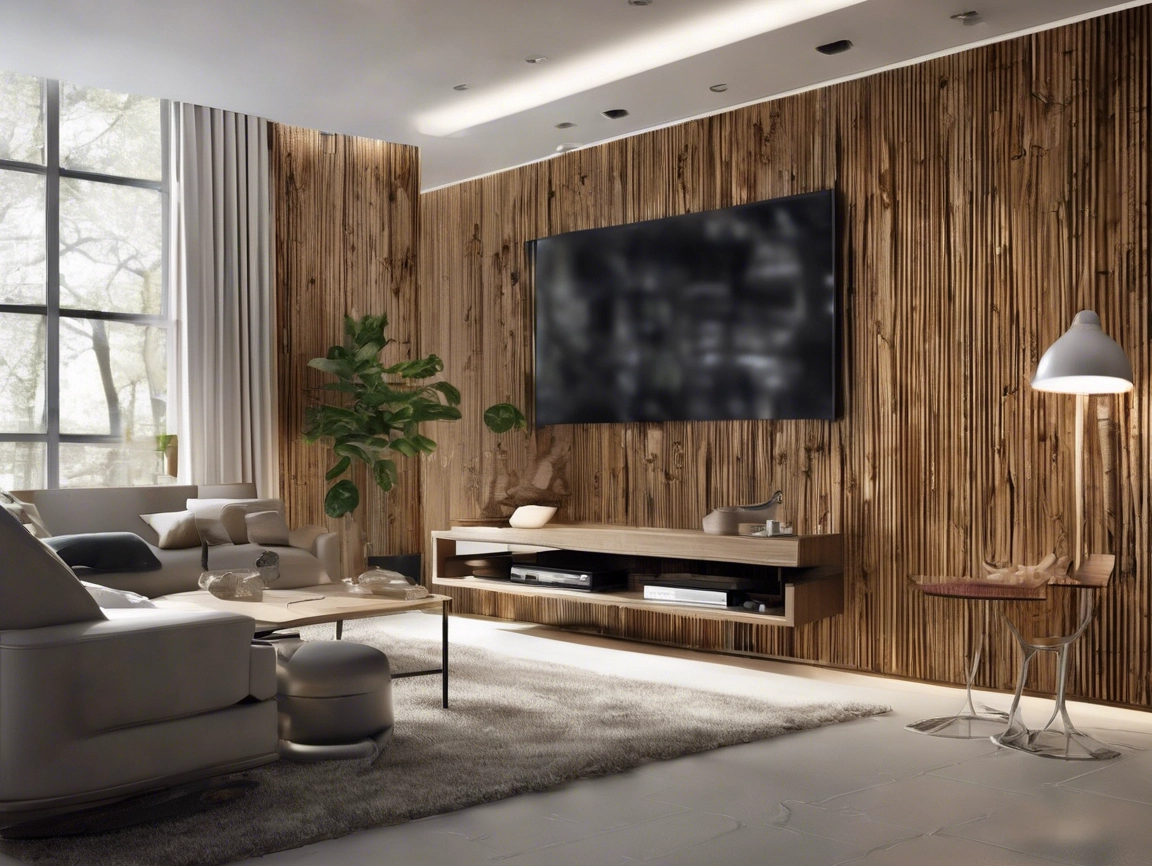
Yes, indoor wall panels for living room projects can add warmth, texture, and a clear focal point. They cover plain walls fast and suit both new builds and refits. This guide explains designs, materials, and install steps for buyers.
Buyers often ask which panel suits a family room, a hotel lounge, or a rental living area. The answer depends on the look, the wall condition, and the project budget. Use this guide to compare options before you order samples.
This guide suits distributors, project buyers, and installers who plan living room wall panel design for homes and hotels. It keeps claims plain and avoids unverified performance promises. Read it before you brief a supplier or approve a sample.
Indoor Wall Panels for Living Room Use: What They Are
Indoor wall panels for living room use are decorative boards fixed to interior walls. They add pattern, depth, and color without wet plaster or tile work. Most types fix to battens, adhesive, or clips.
Panels suit one feature wall or a full room wrap. A feature wall frames the TV or sofa zone with strong visual rhythm. A full wrap needs careful joint planning so seams stay neat.
Living rooms differ from wet rooms in one key way. They face daily touch, dust, and sunlight, but not direct water spray. So, choose panels for looks, easy cleaning, and stable joints.
Panels also hide uneven plaster and old paint lines. They give a clean base for shelves, lights, and art. Plan fixing points for heavy items before you fit the panels.
Q: Do wall panels suit rented living rooms? A: Yes, where the fixing method allows clean removal. Ask the supplier which fixing suits a rental wall.
Living Room Wall Panel Design: Fluted, Slat, and Flat Styles
A living room wall panel design should match the room size and furniture style. Slim vertical lines suit low ceilings and small rooms. Wide flat panels suit large open lounges with bold furniture.
Fluted Wall Panels Living Room
Fluted wall panels living room projects use repeated grooves for rhythm and shadow. The grooves catch light and add depth to a plain wall. They work well behind a sofa or TV unit.
Choose a groove depth that fits the room scale. Deep grooves suit large walls and strong light. Shallow grooves suit small rooms and soft light.
Check the sample under the room lights before you order. Grooves look different in warm light and cool light. Keep the approved sample beside the order code.
Acoustic Slat Panels Living Room
Acoustic slat panels living room designs pair timber-look slats with a felt backing. The slats add warmth, while the backing softens echo in the room. They suit lounges, media rooms, and open plan spaces.
Read the acoustic evidence for the exact assembly before you promise a result. A felt backing alone does not prove a tested rating. For a full evidence guide, read our guide to acoustic WPC slat wall panels with PET felt.
Flat panels suit calm, modern rooms with few trims. They hide joints well and clean fast with a soft cloth. Pair them with one textured zone so the room does not feel flat.
| Style | Best use | Watch point |
|---|---|---|
| Fluted panels | TV walls and sofa walls | Dust in grooves |
| Slat panels | Media rooms and lounges | Backing and gaps |
| Flat panels | Large calm rooms | Joint alignment |
| Timber look | Warm family rooms | Finish variation |
Color choice also shapes the room feel. Light oak tones open small rooms and suit pale sofas. Dark walnut tones add drama to large rooms with strong light. Test large samples on the wall before you commit.
Materials for Indoor Wall Panels for Living Room Walls
Indoor wall panels for living room walls come in WPC, MDF, timber look, and PET felt builds. Each material brings a different weight, finish, and care need. Compare the full build, not just the front face.
WPC panels mix wood fiber with plastic resin for a stable board. They resist damp air and hold a printed wood or stone face well. They suit busy family rooms and rental lounges.
MDF slats carry a real veneer or melamine face on a dense fiber core. They give a warm timber look at a clear cost point. Keep them dry and away from direct water.
PET felt backing sits behind slats to soften sound and add depth. It also hides the wall behind the gaps. Ask which felt the supplier fits and how it fixes to the slats.
For a wider sourcing view, read our wholesale guide to fluted acoustic wall panels. It maps profiles, sheets, and acoustic builds for project buyers.
Match the material to the room
- Pick WPC where damp air or heavy use is likely. It holds its shape well.
- Pick MDF veneer where a warm timber face matters most. Check the finish range first.
- Pick felt backed slats where echo control is part of the brief. Confirm the test scope.
- Pick flat panels where fast cleaning matters most. Check the joint design first.
Order samples of each shortlisted material before you commit. Compare them side by side under the room lights. Check edges, joints, and the back build, not just the face.
Q: Which material lasts longest in a busy living room? A: No single material wins for every room. Match the build to the use, then check the sample.
Sound, Fire Safety, and Care in Living Rooms
Indoor wall panels for living room walls change how a room sounds and feels. Slats and felt can soften echo from hard floors and bare walls. They do not block sound through the wall itself.
Keep absorption and isolation as separate questions in the brief. Absorption softens sound inside the room. Isolation stops sound passing to the next room.
Ask for the test report that matches the exact panel assembly. Check the slat build, backing, and mounting in that report. Do not move a result from one build to another.
Fire behavior also needs a clear record for the planned wall. ASTM E84 measures surface burning traits of building materials in a set test. Ask your supplier which fire evidence fits the project and the local rules.
Care stays simple in most living rooms. Dust grooves with a soft brush each week. Wipe flat faces with a damp cloth and mild cleaner.
Sunlight can fade some printed faces over time. Place dark panels away from strong direct sun where you can. Ask the supplier how the face handles long sun exposure.
Avoid harsh pads that can scratch a printed face. Keep spare panels from the same batch for repairs. A new batch can differ in shade, even with the same code.
Keep the room layout in mind when you place slat panels. A panel behind the sofa softens echo near the main seats. A panel on a side wall spreads the effect across the room.
How to Install and Buy Indoor Wall Panels for Living Room Projects
Indoor wall panels for living room installs go faster than plaster and paint work. Good prep still decides the final result. Check the wall before you fix the first panel.
- Check the wall with a long level and mark high spots.
- Mark the layout on the wall first, away from the main seating view.
- Cut panels face up with a fine-tooth saw, then seal cut edges.
- Fix battens or adhesive to suit the panel type and maker guide.
- Fit the first panel plumb and level before you fix the next one.
- Slot each next panel into the joint and tap it home.
- Fit trims, end caps, and corner profiles last, then seal each edge.
- Step back and check joints, lines, and light before the room reopens.
Allow a small gap at floors and ceilings for movement. Cover it with a skirting or trim profile. Never force a panel into a tight space.
For timber look options, review the finish range on site first. A named felt backed option is the WTAP-04 acoustic panel with engineered veneer, MDF, and PET felt. Compare its build with the planned WPC option before you choose.
When you compare indoor wall panels for living room supply, ask for test data that matches the exact build. Check panel size, lock design, trim supply, and surface wear before you sign. Confirm the pack size, spare rate, and lead time in writing.
ZHONGXINGWO supplies decorative wall panels for project and wholesale buyers. Ask our team for product details and the records your project needs. A small trial order can reveal fit and finish issues before a full order ships.
Count panels by wall area, then add spares for cuts and breakage. Long walls need fewer joints, so check which panel lengths the supplier stocks. Confirm that trims, adhesive, and fixings come from one source where you can.
Keep offcuts for later repairs, since a matching batch may sell out. Store spares flat in a dry room, away from heat and sun. Note the batch code on the pack for the next order.
Need help planning indoor wall panels for living room projects? Send us an inquiry with your room size and panel style. Our specialists will reply and help you plan the order.
