

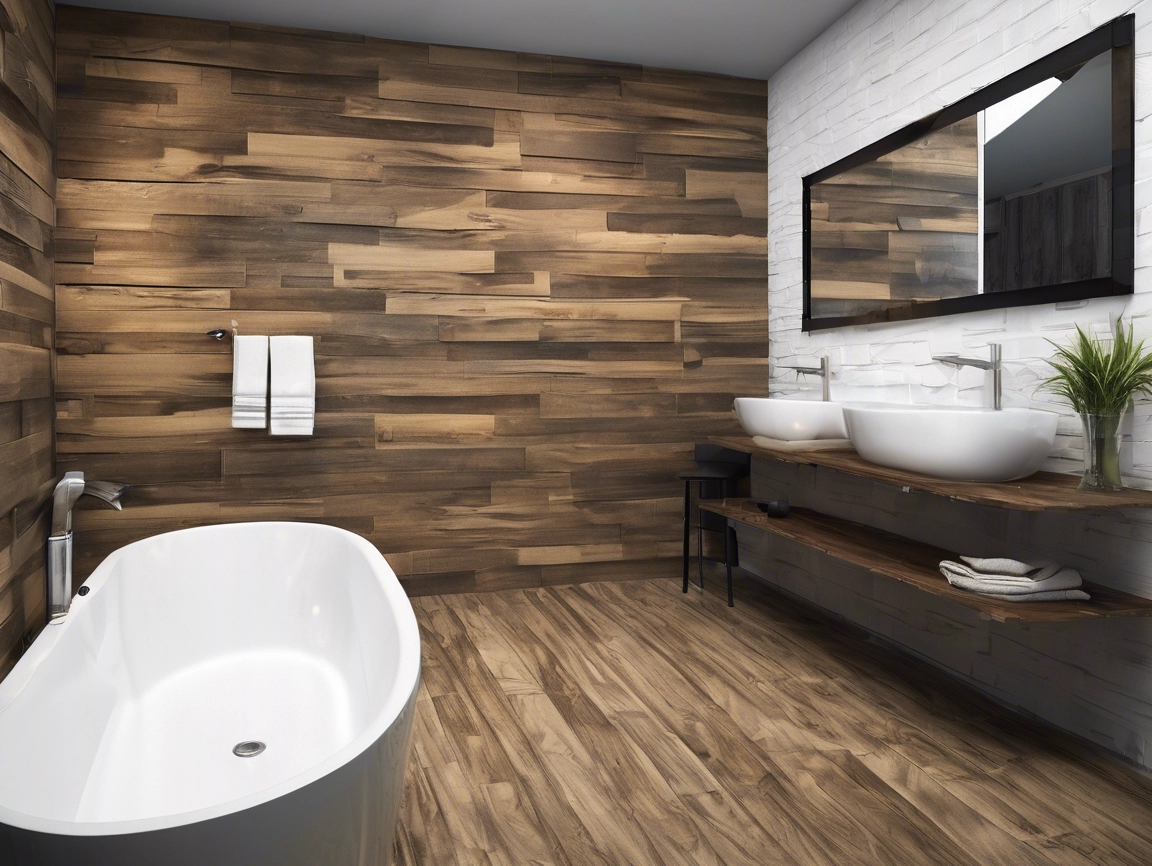
SPC wall panels for bathroom walls work well when the room is planned as a whole. The rigid core resists water, and the surface wipes clean with ease. But the panels alone do not make a room waterproof.
Seams, edges, and ventilation decide the result. This guide explains where the panels fit, how to seal the joints, and how to care for them. This guide covers SPC wall panels for bathroom use from choice to care.
A bathroom has wet zones and dry zones, and the shower and tub splash water every day. Vanity walls face steam and small splashes, while dry walls face mainly humidity from steam.
Each zone needs a different level of care, so buyers who plan by zone get better results. The panels suit hotels, homes, and rental units, and they install fast and cover old walls with ease.
For a full sourcing view, read our commercial buyer’s guide. It explains factory supply, sizes, and order checks, and that context helps buyers compare options with care.
SPC Wall Panels for Bathroom Walls: What Waterproof Really Means
SPC stands for stone plastic composite, and the core mixes limestone powder with a polymer binder. The result is a rigid board that does not swell like wood.
Water on the face does not soak through the board, so the panel itself handles splashes well. Our guide What Are SPC Wall Panels? explains the layers in plain terms.
Read it first if the material is new to you, since the face resists water but the joints need care. Waterproof does not mean the whole wall is sealed.
Water can still pass through gaps at seams and edges, and it can also reach the wall behind the panel. The joint system matters more than the panel face, so treat seams as part of the design.
Buyers often compare SPC with PVC before they order. Our SPC vs PVC comparison sets out the trade-offs in plain terms. SPC feels more rigid, while PVC feels lighter and more flexible.
The right choice depends on the room and the budget. When suppliers call SPC bathroom wall panels waterproof, ask what the claim covers. Ask which test or standard the supplier relies on. A clear answer builds trust, while a vague claim should raise questions.
The printed surface gives the panel its look. Wood, marble, and plain tones all come from that print. A clear wear layer shields the print from scuffs. Ask the supplier how the surface should be cleaned.
Where SPC Wall Panels for Bathroom Projects Work Best
The vanity wall is the easiest win for SPC wall panels for bathroom projects. Steam rises and water splashes near the sink, so panels wipe clean in seconds after use. A mirror and a shelf can mount on a firm backing.
Dry walls near the toilet and door also suit the panels well. They face mainly steam, not direct water, so a quick wipe keeps them fresh. So these zones need little extra work.
The shower surround is the hardest test, since direct jets hit the same seams each day. Panels can work there with a sealed backing and edge trim. But buyers should confirm the system with the supplier first. Never assume a standard wall panel suits a shower.
Bathroom ceilings also collect steam, so a matching panel ceiling gives the room a clean finish. Our PVC marble UV wall panel for ceilings suits this use in many projects. Check the fixing method before you order ceiling panels.
Hotels and rentals gain the most from fast installs. A room can return to use soon after the work ends. The wipe-clean surface also helps housekeeping teams. So SPC wall panels for bathroom refits suit tight schedules.
Rental turnovers test every wall finish, and panels let a team refresh a bathroom fast. A damaged panel can swap out without full retiling, and that keeps void time short between tenants.
Wet zones and dry zones at a glance
| Zone | Water exposure | Care |
|---|---|---|
| Vanity wall | Steam and splashes | Wipe after use |
| Shower surround | Direct water jets | Seal seams and trim |
| Dry wall and ceiling | Steam only | Ventilate and wipe |
Ventilation protects every wall finish in a bathroom. The EPA guide to mold, moisture and your home notes that moisture control is the key to mold control. Run the fan during showers, and keep it on after.
Open a window when the room allows it, since dry air keeps seams and grout in good shape. Good air flow also helps the room dry fast between uses.
Seams, Edges and Joints: The Details That Decide Performance
Most SPC panels join with a tongue and groove edge. The joint should close tight with no visible gap. A loose joint lets water reach the wall behind.
Check each joint as you install it, and fix gaps at once, not at the end. Sealant belongs at edges near water.
Use it at the tub rim, the floor line, and the shower corner. Corner trim covers the cut edge and hides the seal, while end caps protect exposed panel ends. These small parts do most of the waterproofing work.
SPC panels bathroom installation starts with a flat, dry wall. Fix leaks before you cover the wall, since panels hide damp but they do not cure it. A damp wall can still cause odor and stains.
So start with a sound surface every time, and cut panels with a fine blade for a clean edge. Seal each cut edge that will sit near water, and measure twice, since a short panel wastes stock.
Keep spare trim on site for late fixes, since some jobs need a skilled installer. Curved walls and odd corners take extra care. A pro can set the seal and trim with a neat finish.
Ask for photos of past bathroom work first. SPC wall panels for bathroom installs reward tidy joint work. Straight joints and neat trim signal careful work, and guests and buyers notice these details at once.
So the joint work is worth the time it takes.
- Check that each joint closes tight before you move on.
- Seal the tub rim, floor line, and shower corners.
- Fit corner trim and end caps at every exposed edge.
- Wipe off extra sealant before it sets.
- Leave a small gap at the floor for sealant, where the guide allows it.
SPC Wall Panel Bathroom Care: Cleaning and Daily Upkeep
Daily care is simple and quick. Wipe splashes with a soft cloth, and use mild soap and warm water for marks.
Rinse the cloth well and wipe again, then dry the surface so no film stays behind. Avoid harsh scouring pads and strong solvents.
They can dull the printed surface over time. Avoid bleach on colored prints unless the supplier approves it. Test any new cleaner on a hidden spot first, since gentle care keeps the finish fresh for years.
Hard water can leave pale marks on dark panels. Wipe the wall dry after showers to stop marks from setting. A mild vinegar mix can help, but test it first and ask the supplier before you use any acid cleaner.
Check seams every few months, and look for gaps, loose trim, or dark lines at joints. Re-seal a weak joint before water gets in, since small fixes now save large repairs later.
This routine suits hotels and rental units well. Panels have no grout lines to scrub, and that saves time in hotels with many rooms.
Our decorative wall panel PVC marble sheet suits feature walls behind the vanity. Wipe it the same way as the rest of the room.
A scratched panel can often stay in place, so clean the mark and check if it still shows. A deep cut near water needs a swap, not a patch. Keep a spare panel from the same batch for this case.
Buying SPC Panels for Bathroom Projects: A Practical Checklist
SPC wall panels for bathroom orders start with clear questions. Ask for the panel size, core type, and surface finish. Ask how the edges lock and which trim fits, then order a sample to test the surface.
A sample tells more than a photo. ZHONGXINGWO supplies wall panels from its factory in China, and it serves overseas buyers and distributors with export orders.
Ask the factory which panel suits wet zones best. Confirm the trim, sealant, and fixing method in one order, since one order avoids mismatched parts on site.
Compare colors under the room light, not only online. Marble, wood, and plain tones each suit a different style, so order spare panels with the first batch.
Keep the same batch code for later repairs, and store panels flat in a dry room before install. Compare quotes on the same basis.
Check that the quote lists trim, sealant, and packing, since a low price can hide missing parts. Ask for the full list before you choose.
- Confirm the panel size and edge lock type.
- Ask which trim and sealant the system needs.
- Check the surface finish with a real sample.
- Plan wet zones, dry zones, and ventilation first.
- Confirm the order quantity and spare panels.
- Agree on packing and shipping before you pay.
SPC wall panels for bathroom projects reward careful planning, but the panels are only one part of the system. Seams, trim, and air flow complete the job. Buyers who plan all three parts get rooms that last.
Are SPC wall panels for bathroom projects right for your next order? Send us an inquiry and tell us your sizes, colors, and quantities. Our specialist will reply to help with samples and a quote.
