

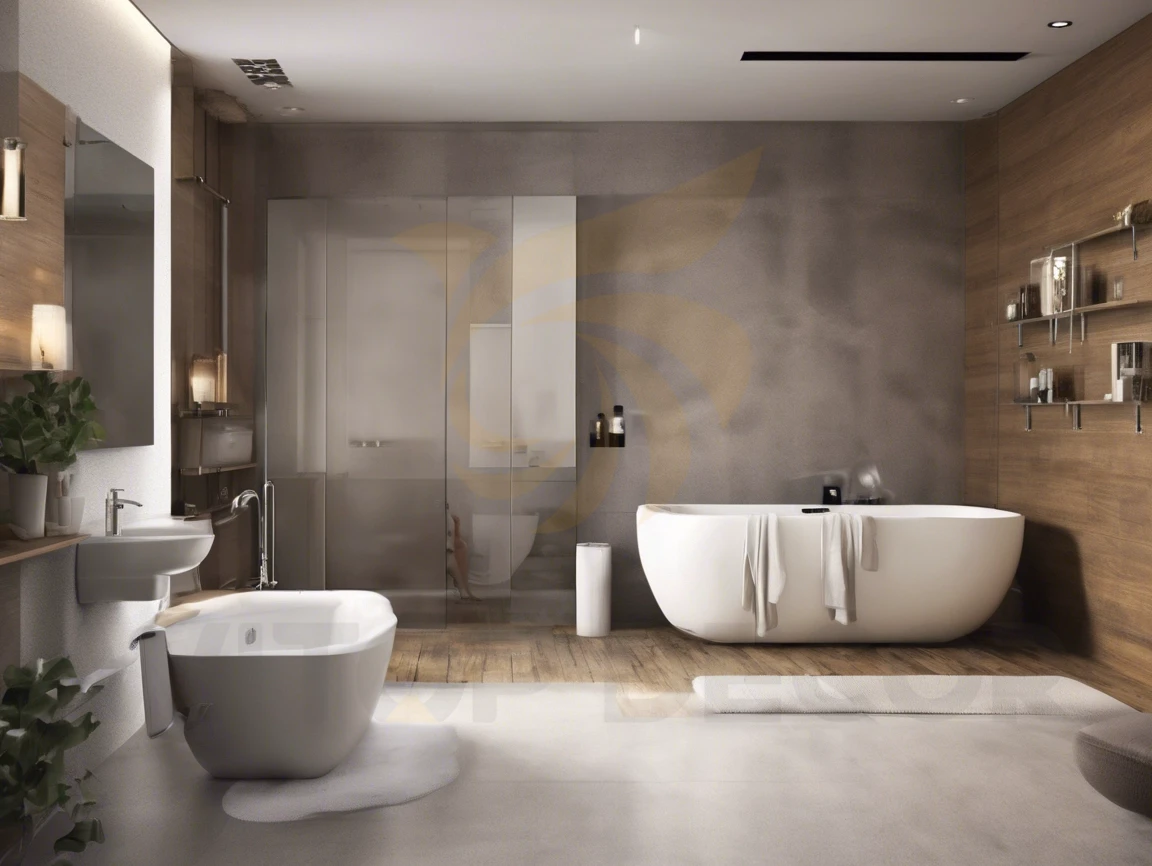
In a wpc vs hpl wall panel comparison, HPL wins on impact and scratch resistance. WPC wins on weight, cost, and fast install. So the right pick depends on how hard the wall gets used each day.
HPL means high-pressure laminate, a dense sheet of resin-soaked paper pressed under heat. A compact HPL panel has no core board behind it, so the full sheet carries the load. WPC means wood-plastic composite, a mix of wood fiber and plastic resin. Most WPC wall boards have a hollow or foamed core with a thin cap layer on the face.
This wpc vs hpl wall panel guide compares the two side by side. It covers impact tests, scratch tests, water, weight, install, and cost. Some buyers search for hpl wall panel vs wpc, and the facts stay the same either way. Use it to set a clear spec before you ask suppliers for quotes.
For busy corridors, schools, and hospitals, HPL often earns its higher price. For homes, shops, and offices with light traffic, WPC often gives the better value. Read the table first, then check the test notes below it.
This guide suits buyers, distributors, and fit-out teams who source wall panels in bulk. It skips sales talk and sticks to test facts you can check. Where facts vary by brand, it tells you what to ask for.
WPC vs HPL Wall Panel at a Glance
This wpc vs hpl wall panel table sums up the main gaps in one view. Read it first, then dig into the test data below. Each row links to a section below, so you can check the proof behind the score.
| Factor | HPL Compact Panel | WPC Wall Panel |
|---|---|---|
| Impact resistance | Strong; dense sheet resists dents | Good; solid boards beat hollow boards |
| Scratch resistance | Strong; hard resin face, rating 3 or higher | Fair to good; cap layer sets the limit |
| Water resistance | Strong; mass gain 1% or less after boiling-water test | Strong; plastic core resists water well |
| Weight | Heavy; density 1.35 g/cm³ or higher | Light; hollow and foamed cores cut weight |
| Install | Slow; needs strong fixings and saws | Fast; light boards clip or glue in place |
| Cost | Often higher board and labor cost | Often lower board and labor cost |
| Fire performance | Euroclass B-s2, d0 at 6 mm (Trespa grade) | Varies by grade; ask for the fire test report |
| Surface repair | Hard to patch; swap the board | Easy to swap; light boards clip out fast |
| Best use | Schools, hospitals, busy corridors | Homes, shops, offices, light traffic |
The table favors HPL on hard use and WPC on speed and cost. The next sections show the test facts behind each row.
WPC vs HPL Wall Panel: Impact Resistance Head to Head
Impact tests show the clearest gap in a wpc vs hpl wall panel match. A compact HPL sheet takes a hard hit and shows only a small dent, if any. The Trespa TopLab Vertical material property datasheet lists a large-ball impact test (EN 438-2:21) for its panels. It uses a 1.8 m drop height, and it caps dents at 10 mm.
That result comes from a 6 mm or thicker sheet, so thin HPL may score lower. The same sheet also lists density of at least 1.35 g/cm³. Flexural strength reaches at least 120 MPa. Those two values help explain why the face stays firm under a hit.
WPC has no single standard like EN 438, so results vary by brand and profile. A solid-core WPC board resists knocks far better than a hollow-core board. So ask your supplier for an impact test report before you order for busy areas. A sample hit test on site also tells you more than a brochure line.
For trolley routes and door swing zones, a wpc vs hpl wall panel spec should favor the denser board. For quiet rooms, a standard WPC board often handles daily use with ease. And keep spare boards from the same batch, so a swap matches the wall.
Test reports differ by brand, so read the fine print with care. Check the sheet thickness in the report, since thin sheets score lower than thick ones. Check the test standard too, so you compare like with like. A report under EN 438-2 means more than a claim with no test name.
A dent and a crack are not the same fault. HPL dents stay small, yet a sharp edge hit can still chip the face. WPC dents can run deeper on hollow boards, yet the board rarely splits right through. So judge both boards by dent depth and by how the face looks after the hit.
WPC vs HPL Wall Panel: Scratch Resistance Compared
Scratch resistance comes from the face layer, not the core. HPL cures its resin face into a hard shell, so keys and rings leave few marks. The Trespa datasheet rates scratch resistance at 3 or higher (EN 438-2:25). That test score gives buyers a fixed yardstick across HPL brands.
In a wpc vs hpl wall panel scratch test, the cap layer often decides the result. WPC relies on its cap layer, and cap quality varies a lot by maker. A thick co-extruded cap resists scuffs far better than a thin printed film. So test a sample with a key edge and a coin before you place a bulk order.
Daily care shapes scratch life in any wpc vs hpl wall panel install. Soft cloths and mild soap keep faces clean, while grit pads cut into them. In rental flats and shops, a darker wood tone hides small marks better than gloss white.
Scratches show most on dark gloss faces in bright rooms. A matte wood tone hides small scuffs, so it suits family homes and shops. Edge chips also matter, since a chipped edge draws the eye fast. So order edge trim with the boards, and fit it on day one.
Gloss faces show every mark, while matte faces forgive light scuffs. That is why busy public rooms often use matte or wood-grain faces. A gloss face still works in a quiet showroom, where hands rarely touch the wall. Pick the finish for the room traffic, not for the sample shine.
Cost, Weight, and Install: The Practical Trade-Offs
Weight shapes install speed and fixing cost more than most buyers expect. A solid HPL sheet is heavy, so crews need strong fixings and two hands per board. WPC boards are light, so one worker can lift, cut, and clip most profiles alone. That gap cuts labor hours on big rooms, and it also trims freight cost.
HPL often costs more per square meter, and its fixings add to the bill. WPC often costs less, yet cheap hollow boards may need more spares over time. So in a wpc vs hpl wall panel budget, compare full install cost, not board price alone. WPC works well as a high pressure laminate alternative where weight or budget rules the choice.
For a tough WPC face with a clear wood look, check the 3D embossed WPC panels. Wood-grain WPC timber tubes suit slat walls and feature zones in lobbies and shops. And a WPC ceiling panel with soundproof backing suits offices that need quiet rooms.
Freight cost grows with weight, so HPL costs more to ship per board. WPC packs light, so more boards fit in one container load. That gap matters for export orders, where freight forms a big cost share. Ask your supplier for a packed weight per square meter before you book freight.
HPL needs carbide saws and strong screws, so fit-out crews plan more tool time. WPC cuts with standard wood tools, so most fit-out crews work fast with it. That tool gap also shapes who can fit the job, not just how long it takes. Check tool needs with your installer before you lock the board choice.
How to Choose for Your Project
A wpc vs hpl wall panel choice starts with the room, not the trend. A busy corridor and a quiet bedroom need different specs, even in one project. Use this short list to brief your supplier in one call.
- High traffic: pick HPL or a solid-core WPC board with a thick cap.
- Wet rooms: pick either board, but seal joints and check the test report.
- Tight budget: pick WPC and spend the savings on spare boards.
- Fast fit-out: pick light WPC profiles with a clip system.
- Mixed site: use HPL in corridors and WPC in rooms to balance cost.
Write the spec in plain terms: board type, thickness, cap layer, and test standard. Attach the room list, so the supplier quotes the right board for each zone. That one page saves back-and-forth, and it also keeps quotes easy to compare.
Order samples before the bulk buy, and test them the way the room will use them. Hit one corner, scratch one face, and wipe one stain with a damp cloth. That quick test often settles the choice faster than a long spec sheet.
Some projects mix both boards in one site, and that mix often works well. Use HPL where trolleys pass and WPC where hands rarely touch the wall. That split keeps the hard-use zones safe and the budget in check. Tell your supplier which rooms get which board, so the quote stays clear.
For the wider view, read our wpc wall panel comparison guide, which sets WPC against PVC, tile, and more. As a WPC wall panel maker, ZHONGXINGWO supplies boards for homes, shops, and offices worldwide. In the end, wpc vs hpl wall panel is a trade between hard use and easy install. HPL wins where walls take hits, while WPC wins where speed and budget rule.
Weighing WPC against HPL panels for a hotel or office project? Send us an inquiry with your sizes and room list. Our specialists will reply and help you choose.
