

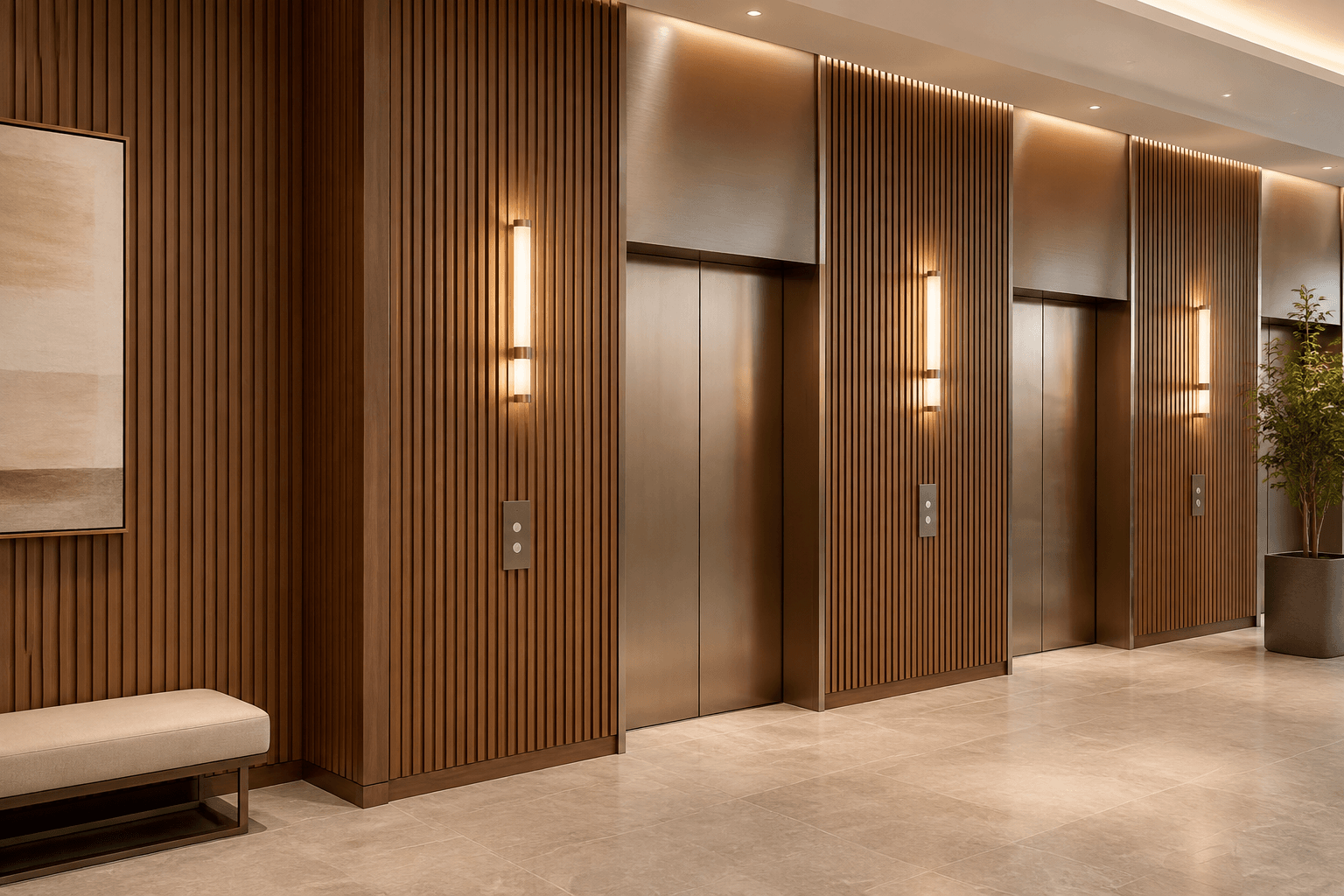
Buyers who compare WPC wall panel vs alternatives face nine common materials. Each one suits a different room, budget, and install plan. This guide compares them side by side, so you can pick with confidence.
WPC sits in the middle of the range. It looks like wood, resists water better than MDF, and installs faster than tile. Yet it is not the best choice for every wall.
The sections below show where WPC wins, where it loses, and what to ask before you order. Read the table first, then the notes.
This WPC wall panel comparison guide starts with a quick table, then gives short notes on each rival. It ends with a simple buying checklist.
WPC wall panel vs alternatives is not a contest with one winner. It is a match between material traits and room needs. A bathroom, a hotel lobby, and a school corridor each need a different wall. This guide helps you match them.
WPC Wall Panel vs Alternatives at a Glance
Start with the short version. The table below compares WPC with eight common alternatives. It covers moisture, weight, install speed, upkeep, and typical use.
| Material | Moisture | Weight and Install | Upkeep | Typical Use |
|---|---|---|---|---|
| WPC wall panel | Resists water well | Light, fast to fit | Wipe clean | Living rooms, lobbies, hotels |
| PVC wall panel | Waterproof face | Very light, fast | Wipe clean | Bathrooms, kitchens, wet rooms |
| SPC panel | Waterproof core | Dense, thin boards | Wipe clean | Floors first, some walls |
| Ceramic tile | Fully waterproof | Heavy, slow to fit | Clean grout often | Bathrooms, kitchens |
| MDF board | Swells when wet | Light, easy to cut | Paint and seal | Dry rooms, painted walls |
| Natural wood | Needs sealing | Medium weight | Seal and sand | Feature walls, dry rooms |
| HPL panel | Resists water well | Dense, needs care | Wipe clean | High-traffic public rooms |
| Fiber cement | Resists water well | Heavy, needs sealing | Seal and paint | Exteriors, fire-safe walls |
| Stone veneer | Sealed face resists water | Very heavy, skilled fit | Seal often | Feature walls, lobbies |
WPC blends wood fiber with plastic resin. The mix gives a wood look with plastic-like water resistance. Boards come hollow or solid, in many widths and finishes. The core point is simple: WPC aims to keep the wood look and drop the wood upkeep.
No single material wins every row. A wet room needs water resistance first. A hotel lobby may care more about look and speed. So use it to narrow the WPC wall panel vs alternatives list to two or three picks.
For test data, see ASTM D7031. The guide covers test methods for evaluating performance properties of WPC products. Ask your supplier which tests apply to the panel you plan to buy.
WPC vs PVC and SPC: Plastic-Based Rivals
PVC is the closest rival to WPC. Both resist water, install fast, and suit wet rooms. The main split is look and feel. This split is the core of the WPC wall panel vs alternatives debate for wet rooms.
WPC carries a wood grain face and a stiffer board. It suits living rooms, lobbies, and feature walls. PVC sheets offer smooth marble or plain finishes at a lower board cost. They suit bathrooms, kitchens, and wet zones.
For a full side-by-side read, see our WPC vs PVC wall panel comparison. It covers cost, durability, weight, and use in one place.
A PVC marble sheet works well where buyers want a stone look without stone weight. See this decorative PVC marble sheet for a typical finish. It pairs with WPC in mixed-material rooms.
Cost also shapes the choice. PVC boards often cost less per square meter than WPC. Yet the gap narrows once trims and install time join the total. So compare full installed cost, not board price alone.
Install speed also differs. WPC and PVC use click or glue systems. A small crew can finish a room in a day.
Tile needs adhesive, drying time, and grout work. That time adds labor cost to every square meter.
Also check the finish range. PVC offers marble, stone, and plain colors in glossy or matte faces. WPC offers wood grain in warm and dark tones. The wider range helps when one project needs two looks.
WPC vs SPC Panels
SPC is a rigid stone-plastic board. It is dense, thin, and very stable. WPC is lighter and warmer to the touch.
SPC suits floors more than walls in most projects. So treat SPC as a floor-first choice, not a wall rival.
WPC vs Wood-Based Materials: MDF and Natural Wood
WPC vs MDF
MDF gives a smooth, paint-ready face at a low cost. It cuts clean and takes paint well. Yet it swells when wet, so it fails in damp rooms.
WPC keeps its shape in the same damp rooms. That gap is why WPC wall panel vs alternatives lists rank MDF low for wet rooms. For dry rooms on a tight budget, MDF still makes sense.
Ask where the wall will sit before you pick. A dry office wall suits MDF. A lobby near an entrance suits WPC. The right pick follows the room, not the price tag.
WPC vs Natural Wood
Real wood brings warmth no print can match. It also needs sealing, sanding, and care over time. WPC copies the wood look with less upkeep.
It also resists water and insects better than raw timber. So wood wins on feel, while WPC wins on care.
Check the fire and moisture rules for your project first. Some public rooms limit raw wood use. WPC panels can meet those rooms with less fuss. Your local code decides the final pick.
Look matters too. MDF takes paint in any color. Natural wood shows real grain and knots. WPC prints grain on a stable board, so the look stays even.
Pick the finish that fits the room style first.
Upkeep decides long-term cost. MDF needs repainting when the face wears. Wood needs oiling or sealing on a schedule.
WPC needs only a wipe with a damp cloth. That low upkeep suits hotels and rental flats.
Think about repair too. A scratched MDF board needs filler and paint. Marked wood needs sanding and resealing.
A scratched WPC board can swap out in minutes. Fast swaps cut downtime in hotels and shops.
WPC vs Hard Surfaces: Tile, HPL, Fiber Cement, and Stone Veneer
Hard surfaces trade install speed for a solid feel. They suit wet rooms and high-traffic walls. Yet each one brings a cost in weight or upkeep. The notes below show the trade-offs in each WPC wall panel vs alternatives pair.
WPC vs Ceramic Tile
Tile is hard, waterproof, and easy to clean. It suits bathrooms and kitchens well. Yet it is heavy, cold, and slow to install.
Grout lines also need regular cleaning. WPC installs faster and feels warmer, but it cannot match tile in wet zones.
WPC vs HPL
HPL is a dense laminate with a hard face. It resists scratches and stains well. It costs more than WPC and needs careful joint work.
WPC is lighter and faster to fit. Pick HPL where scratch resistance matters most.
WPC vs Fiber Cement and Stone Veneer
Fiber cement is tough and fire-safe. It is also heavy and needs sealing. Stone veneer gives a real stone face at a high cost.
Both need skilled install and strong fixings. WPC suits projects where speed and light weight matter more.
Weight drives install cost. Tile, fiber cement, and stone need strong walls and skilled hands. HPL needs care at joints and edges. WPC and PVC fit fast with simple tools, so labor stays low.
Hard surfaces still win some rooms. Tile leads in showers and wet kitchens. HPL leads in schools and hospitals with heavy use.
Fiber cement leads on exterior walls and fire-safe zones. Stone veneer leads where a real stone face sells the room.
Joint work also differs. Tile joints need grout and sealing. HPL joints need trims and sealant.
Fiber cement joints need filler and paint. WPC joints hide behind click profiles, so the wall stays clean.
How to Choose the Right Wall Panel for Your Project
The question of which wall panel material is best has no single answer. It depends on the room, the budget, and the install plan. Start with moisture, then weight, then look.
That order cuts the list fast. That is the heart of any WPC wall panel vs alternatives choice.
- List every room and its moisture level first.
- Check the weight limit of the wall before you order.
- Ask for a sample and test it with your own cleaner.
- Confirm trims, fixings, and install steps on the quote.
- Compare install time, not board price alone.
For bulk orders, read our WPC wall panel wholesale guide. It covers sourcing steps, order checks, and common buyer mistakes. It helps first-time importers avoid costly errors. That frames the WPC wall panel vs alternatives choice in sourcing terms.
Panel structure also affects the choice. Hollow boards are light and cost less. Solid boards feel denser and suit high-traffic walls. Read our hollow vs solid WPC wall panel guide before you decide.
ZHONGXINGWO supplies WPC wall panels for hotels, shops, and homes. The range includes wood plastic composite wall panels in common sizes and finishes. Samples and specs are available on request.
Order samples before a bulk buy. A sample shows the real color, weight, and face feel. It also lets you test cleaning and scratch resistance.
Also check the supplier, not only the board. Ask for test reports, sample lead times, and trim lists. A clear quote lists panels, trims, and fixings in one place. That clarity avoids surprise costs at install.
Not sure whether WPC or an alternative fits your project? Send us an inquiry with your project details. Our specialists will reply and help you.
