

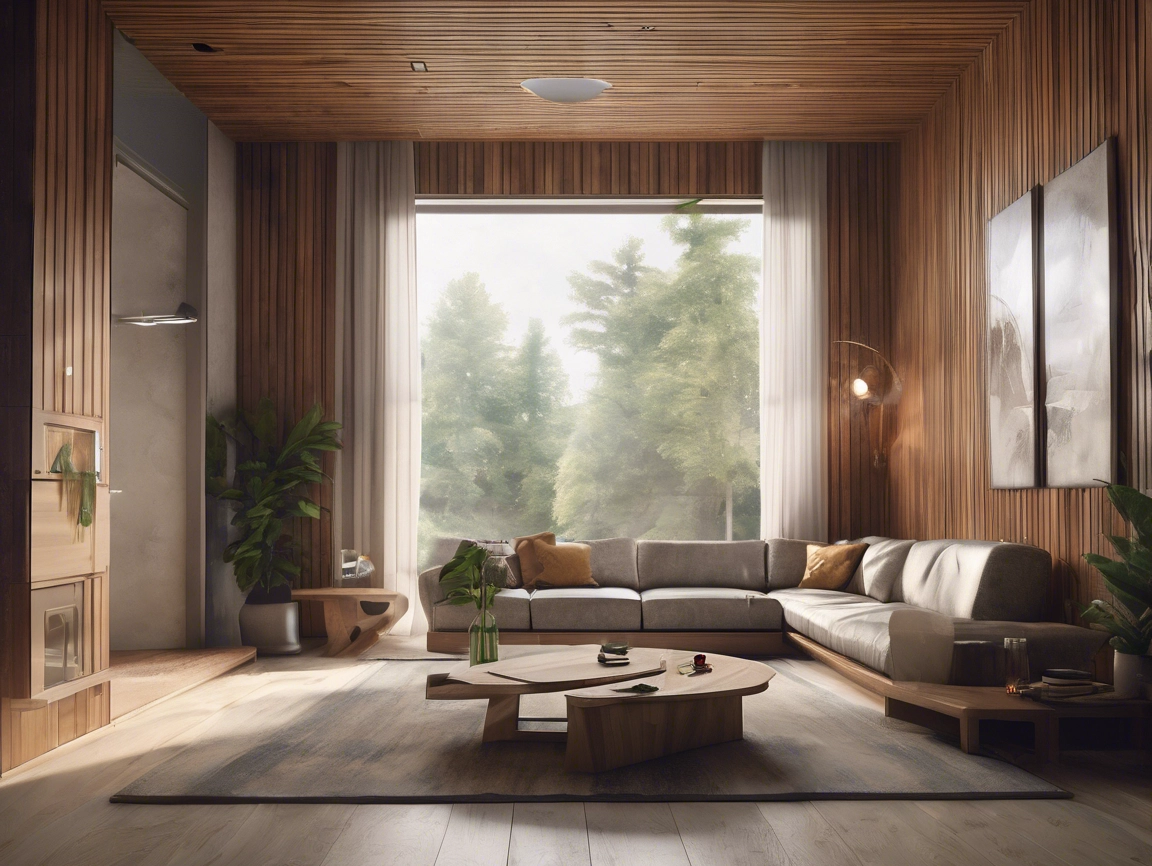
WPC vs natural wood cladding is a choice between real timber charm and low-care composite boards. Natural wood looks warm and rich, yet it needs regular sealing and care. WPC copies the wood look with far less upkeep. So the right pick depends on your climate, budget, and care plan.
This wpc vs natural wood cladding guide compares the two side by side. It covers care, termites, rot, lifespan, and total cost. It also shows where each material fits best. Use it to brief your supplier and set a clear spec.
Buyers often ask only about board price. That view misses the real cost. Care, repairs, and early replacement also add up over years. So compare total cost of ownership, not board price alone.
WPC: a board made from wood fiber mixed with plastic resin. It keeps a wood look with a stable, water-resistant core. Natural wood cladding: solid timber boards fixed to a wall. It shows real grain, so it needs a finish to stay sound.
The two materials also age in different ways. Wood greys and wears with sun and rain. WPC also holds its color longer with a cap layer. So check aged samples, not only new boards, before you order.
WPC vs Natural Wood Cladding at a Glance
The table below sums up the main gaps. Read it first, then check the notes below. Each row links to a section in this guide. That way you can move fast and still check the details.
| Factor | Natural Wood Cladding | WPC Wall Panel |
|---|---|---|
| Maintenance | Regular sealing, sanding, and repainting | Wipe clean; no sealing cycle |
| Termite and rot risk | At risk without treatment and dry design | Lower risk; ask for test evidence |
| Lifespan | Depends on species, treatment, and care | Depends on core, cap layer, and install |
| Total cost over time | Lower board cost, higher care cost | Higher board cost, lower care cost |
| Best use | Dry feature walls and sheltered spots | Wet rooms, hotels, rentals, and busy walls |
No row decides the choice alone. A dry feature wall suits wood well. A hotel corridor suits WPC better.
That is the core of the wpc vs natural wood cladding trade-off. So match the row that matters most to your room.
Install Speed and Skill
WPC boards often fix fast with click or glue systems. A small crew can finish a room in a day. Wood boards, however, need more care at joints and ends. So install labor can shift the total cost.
Fixing details matter for both. Ask how boards fix to the wall and how trims cover the edges. So check the fixing list on the quote. A missing trim can stall the whole install.
Maintenance: What Each Wall Asks of You
Wood cladding maintenance cost is the gap most buyers miss. The board, however, is only the start. Care labor and materials add up each year. The wpc vs natural wood cladding care gap grows over time, so plan the care schedule before you order.
Natural Wood Care
Natural wood needs a finish to stay sound. Sun and rain wear the finish down. Then water enters the grain. So owners must reseal or repaint on a set cycle.
Sanding comes first when the face turns grey. Workers then sand the surface smooth again. Then they apply oil, stain, or paint. Each round takes labor, time, and access gear.
Joints and end grain need extra care. Water enters fastest at cut ends. So seal every cut before install. Then check joints each year for gaps and cracks.
Access adds cost too. High walls need scaffolds or lifts. Hotels must also close rooms during care work. So count access and downtime in the care budget.
WPC Care
WPC needs far less routine care. Most panels need only a wipe with a damp cloth. There is no oil, stain, or seal cycle. So cleaning stays quick and cheap.
Check the joints and fixings now and then. Look for loose boards and blocked drainage gaps. Also wash off dirt before it sets. That is most of the care plan.
Damage repair is simple too. A scratched WPC board can swap out fast. A marked wood board, however, needs sanding and resealing. So WPC cuts downtime in hotels and shops.
- Wipe the face with a damp cloth and mild soap.
- Rinse off dust and marks before they set.
- Check joints and fixings at each routine clean.
- Swap a damaged board instead of refinishing a wall.
Termites, Rot, and Moisture Risk
Termites and rot are the main risks for natural wood. Both thrive in damp, warm spots. The USDA Forest Products Laboratory studies wood decay from fungi, termites, and other organisms. It reports that termites cause nearly $40 billion in damage around the world each year.
So treat pest risk as a design issue, not a minor detail.
Natural wood has no built-in defense. Some species also resist decay better than others. Yet even durable heartwood needs dry design and care. So species choice alone does not remove the risk.
Preservative treatment helps a lot. Treated wood resists fungi and insects far better. However, treatment must suit the use and the local rules. Ask for the treatment spec and check it with your designer.
WPC lowers the risk in a different way. Its plastic core does not feed termites like solid wood. Yet WPC can still hold wood fiber, so claims need proof. In a wpc vs natural wood cladding check, ask for product test evidence, not broad labels.
Our termite-proof and waterproof WPC guide explains which test records to ask for before you order.
Where Natural Wood Is Most Exposed
Ground contact is the highest risk zone. Soil also holds moisture and termites. So keep wood clear of soil and splash zones. Use a solid base and a gap at the wall foot.
Hidden joints also hide damage. Termites work behind boards unseen. So plan access for checks. Then do not seal inspection points shut.
Wet rooms add more risk. Bathrooms and pool areas stay damp. WPC, however, suits those rooms better. Save wood for dry, sheltered walls.
Set an inspection plan with the install. Check joints and wall bases each year. For example, look for mud tubes, hollow sound, and damp spots. Early checks catch damage before it spreads.
Lifespan and Total Cost of Ownership
Lifespan depends on care, climate, and install quality. A well-kept wood wall can serve for many years. A neglected one can fail early.
In a wpc vs natural wood cladding lifespan check, care history matters most. So ask how the last project held up.
WPC also varies by build. A capped board, however, resists sun and water better than an uncapped one. Our co-extrusion and UV resistance guide shows how to compare cap layers and fading test reports. Ask the supplier which tests apply to your panel.
Ask the supplier for test reports on the exact model. Then check the report date and the test method. A fresh report on current production proves more than an old one.
How to Compare Total Cost
Add up four cost lines for each option. First, board and trim cost. Second, install labor.
Third, care and repair over the planned life. Fourth, early replacement risk. Then compare the totals side by side.
Wood often wins the first line. Its board cost can sit lower than WPC. Yet care and repair can erase that lead. So run the full sum before you choose.
WPC often wins the later lines. It needs less care and fewer repairs. That is why wpc vs natural wood cladding buyers should weigh lifetime cost, not unit price. A higher board price can still mean a lower total.
For rooms that mix looks, a stone-look panel can pair with WPC. For example, a decorative PVC marble sheet suits lobbies and feature walls beside wood-look boards. It also keeps the same wipe-clean face as WPC.
Ceilings deserve the same care check. A PVC marble UV wall panel for ceilings gives a clean face overhead and needs no sealing. That also keeps care costs low across the whole room.
ZHONGXINGWO supplies WPC wall panels and matching trims for hotels, shops, and homes. Ask for test reports and a sample board with your quote.
Look and Feel Over Time
Wood changes color with sun and age. A grey face can also suit some designs. Yet most buyers want the first color to last. So ask how each finish ages in your climate.
WPC holds its printed grain well with a cap layer. However, fading still happens over years outdoors. So ask for fading test reports on the exact color. Compare reports with the same test method.
Which Material Fits Your Project?
WPC vs real wood exterior use is the key split for outdoor walls. Real wood can also work outside with the right species, treatment, and shelter. Yet sun and rain wear it fast. So exposed walls favor capped WPC.
Use this checklist to settle the wpc vs natural wood cladding choice for each room. Match the material to the room, not to the catalog photo. Then confirm the pick with your installer and designer.
- Choose natural wood for dry feature walls with a clear care plan.
- Choose WPC for wet rooms, rentals, hotels, and busy walls.
- Pick WPC for exterior walls with strong sun and rain.
- Ask for samples of both and test cleaning on each face.
Test both options before a bulk order. Order a sample board of each. Then check the color, weight, and face feel. Then test your cleaner on each sample.
Talk to your installer too. Ask about fixing, joints, and trim supply. For example, a clear quote lists panels, trims, and fixings in one place. That clarity avoids surprise costs at install.
Budget planning should follow the room list. Price each room with its own care plan. A lobby and a bedroom, for example, need different sums. That room-by-room view stops one average from hiding the real cost.
Keep spare boards for both options. A damaged wood board, for example, needs a matched batch and finish. A damaged WPC board needs a matched color and profile. So order spares with the first batch, not after damage appears.
For the wider comparison, read our WPC wall panel vs alternatives guide. It also sets wood against PVC, tile, and other rivals in one place. That helps when your shortlist has more than two options.
In the end, wpc vs natural wood cladding is a trade between charm and care. Wood also wins on feel and grain. WPC wins on upkeep and pest risk. So pick the material that fits your room, climate, and care budget.
Weighing WPC against natural wood cladding for your project? Send us an inquiry with your project details. Our specialists will reply and help you.
