

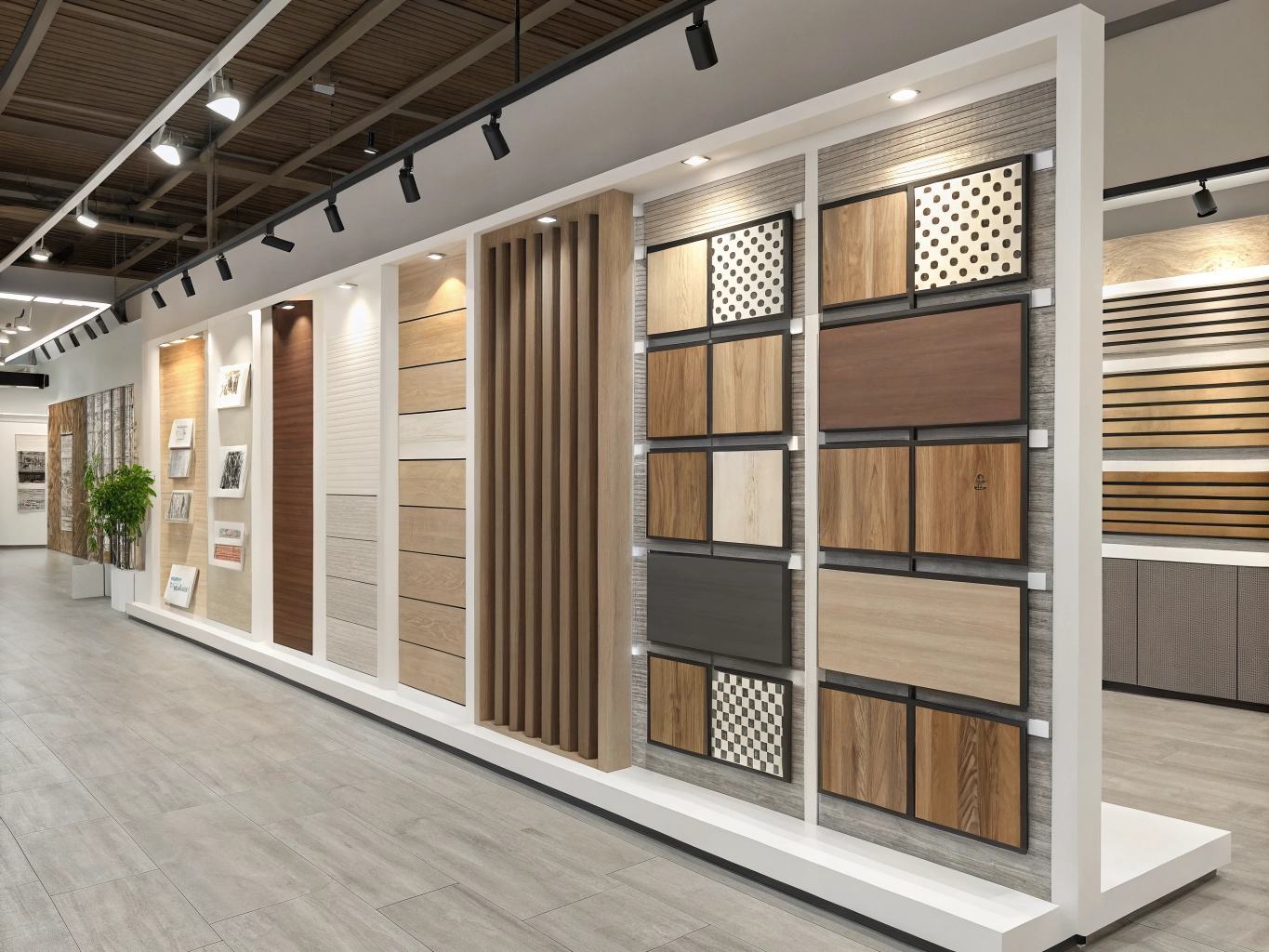
Silver ions kill bacteria on contact. That simple fact drives antibacterial PVC wall panel technology. The panel surface releases silver ions slowly. Those ions break bacterial cell walls and block growth.
This guide explains how the technology works, which reports prove it, and where its limits sit.
Distributors hear the same question from hospital buyers. Does the antibacterial claim last, or does it wash off? The answer sits in how the agent joins the panel. A mixed-in agent lasts far longer than a surface spray.
For the full buying picture, read this B2B guide to antibacterial and hygienic wall panels. It covers hospitals, cleanrooms, and supplier checks.
How Silver-Ion Technology Works
Silver has fought germs for centuries. Modern panels use silver ions locked in a carrier. The carrier sits inside the PVC skin. Moisture from the air frees a few ions at a time.
Those ions meet bacteria on the surface and stop them from growing.
The kill steps are simple to picture. First, silver ions stick to the bacterial cell wall. Then they pass through and block key enzymes. The cell cannot copy its DNA or make energy.
So growth stops and the cell dies.
A 2026 review in the International Journal of Molecular Sciences describes these steps in detail. Silver ion release, membrane damage, and reactive oxygen species all play a part. The review also notes that dose and particle size shape the effect. You can read the silver nanoparticle antibacterial mechanisms review for the full picture.
Two delivery forms exist. Silver-ion masterbatch mixes the agent into the PVC before extrusion. Silver coatings paint the agent onto the finished board. Mixed-in agents survive scrubbing far better.
Coatings cost less but wear faster. Ask your supplier which form the panel uses.
How long does the effect last? Mixed-in agents keep working after years of cleaning. The silver sits inside the PVC, not on top of it. Scrubbing removes dirt, not the agent.
Ask for aged-sample test data, not only fresh-sample data. A supplier with real aging data proves the claim.
Carriers hold the silver until moisture frees it. Zeolite and glass carriers are common in the trade. Each carrier frees ions at its own rate. A fast carrier acts quickly and fades sooner.
A slow carrier lasts longer in service. Antibacterial PVC wall panel technology depends on this balance between speed and life.
Antibacterial PVC Wall Panel Technology in Real Projects
Hospitals use these panels in wards and corridors. The face wipes clean after each shift. The agent keeps working between cleans. That pair cuts the bacterial load on high-touch walls.
A hospital team can track the effect with swab tests over time.
Food plants use them in processing halls. The panels resist fats and hot washdowns. Sealed joints stop germs from settling in gaps. Cold rooms need the low-temperature limit checked first.
Ask for that limit in writing before you order.
Schools and labs form a third market. Kitchens, washrooms, and labs all gain from wipe-clean walls. Volumes run smaller than hospital jobs. The same checks still apply.
A supplier who serves hospitals can serve these jobs too.
Retrofit work suits this technology well. Old tile walls can stay in place under new panels. Glue-down install cuts dust and downtime. Rooms return to service in days, not weeks.
That speed matters when a ward cannot close for long.
Cleanrooms use the same panels for a different reason. They need low particle shedding and fast cleaning. Smooth PVC faces shed few particles. Welded joints leave no gaps for dust.
That pair suits pharma and electronics plants alike.
Veterinary clinics form a smaller market. Kennels and exam rooms need the same wipe-clean faces. The panels resist animal waste and strong cleaners. A local clinic order may be only a few dozen boards.
Antibacterial PVC wall panel technology scales down to small jobs too.
Hotels also buy these panels for wet zones. Pool changing rooms and spa walls face steam daily. Sealed PVC handles that moisture well. The antibacterial face adds one more layer of care.
Guests notice clean walls, even if they never name the reason.
Which Test Reports to Request
Ask for the ISO 22196 report first. It tests the treated surface against an untreated control. A result above 2 log reduction is a strong claim. Check the lab name, the test date, and the exact product.
A report on a different product proves nothing.
Also ask for the fire test report. Hospitals need B1 or Class 1 ratings for wall linings. The report should name the panel thickness tested. A thin sample may pass while a thick board fails.
So match the report to your order.
Third, ask for a batch test record. It shows the silver content per batch. Steady content means steady effect. A supplier who tests per batch proves control.
One who tests yearly asks for trust.
Use this short checklist when you review reports. It keeps the review fast and fair.
- Check the lab name, test date, and exact product on each report.
- Ask for the ISO 22196 log reduction value for each strain tested.
- Verify the fire rating matches the thickness you will order.
- Confirm the silver content per batch, not per year.
- Keep a copy of every report with the order file.
Antibacterial PVC wall panel technology claims need third-party proof, not factory promises. Ask who ran the test. An accredited third-party lab carries more weight than a factory lab.
Names like SGS and TUV are common in this trade. The lab name should appear on the report itself. If the report comes from an unknown lab, ask for a second test.
Limits Buyers Should Know
Silver ions do not replace cleaning. Dirt and grease shield bacteria from the ions. Daily wiping still removes that shield. Any seller who claims no cleaning is needed is overselling.
Put the cleaning rule in your install handover notes.
The effect also fades on damaged faces. Deep scratches expose untreated core material. Heavy abrasion wears coatings fast. So train cleaners to use soft cloths only.
Keep spare boards from the same batch for repairs.
Some markets limit silver content in building products. Others ask for a declaration of the active agent. Ask your supplier for the compliance papers for your market. That check stops trouble at customs.
It also protects your hospital client from audit risk.
Warranty words need care too. A supplier may promise antibacterial effect for years. Ask what the promise covers and how it is tested. A vague promise is worth little.
A written test schedule is worth far more.
Storage matters before install. Keep boards flat, dry, and out of direct sun. Stack them on level bearers, not on bare concrete. A warped board wastes install time.
Check each board for flatness before the crew starts.
Color choice has no effect on the agent. Silver ions work the same under white, wood, or marble finishes. Pick the finish for the room, not for the science. A calm color suits wards.
A warm wood suits waiting areas. Antibacterial PVC wall panel technology fits any finish you choose.
How to Compare Two Antibacterial PVC Panels
Compare panels on four lines. First, the agent form and its content. Second, the ISO 22196 log reduction. Third, the fire rating and thickness.
Fourth, the price per square meter landed. A table keeps the comparison honest.
| Check | What to ask | Good answer |
|---|---|---|
| Agent form | Mixed-in or coated? | Mixed-in masterbatch |
| ISO 22196 | Log reduction value? | Above 2 log, full report |
| Fire rating | Rating at your thickness? | B1 or Class 1, report shown |
| Batch control | Tested per batch? | Yes, record per batch |
| Landed price | Price per board, landed? | Written quote, all lines shown |
Also compare install support. Ask who trains your crew on welding and sealing. Ask for the weld rod and trim list. A supplier who supports install earns the order.
One who ships boards only leaves the risk with you.
Antibacterial PVC wall panel technology rewards careful buyers. The science is real, yet the claim needs proof. Reports, batch records, and samples give that proof. So judge the panel by its papers, not by its brochure.
Total cost beats board price. A cheap board with slow install costs more in the end. Count install hours, trims, and spares in the total. A supplier who quotes all lines saves you surprises.
Antibacterial PVC wall panel technology pays off when the full cost stays clear.
ZHONGXINGWO supplies antibacterial PVC wall panels for hospitals, cleanrooms, and food plants. The range covers smooth PVC sheets and matching trims in common sizes. Ask for the ISO 22196 report and the batch record with your quote.
For ceilings in the same project, see this PVC marble UV wall panel for ceilings. It gives a smooth, wipeable ceiling face. For wet zones, read our waterproof PVC wall panel bathroom guide. It shows how sealed PVC handles bathrooms and wash areas.
For the wider PVC range, see our PVC wall panel manufacturer guide.
Need help with antibacterial PVC wall panel technology? Send us an inquiry with your project details. Our specialists will reply and help you.
