

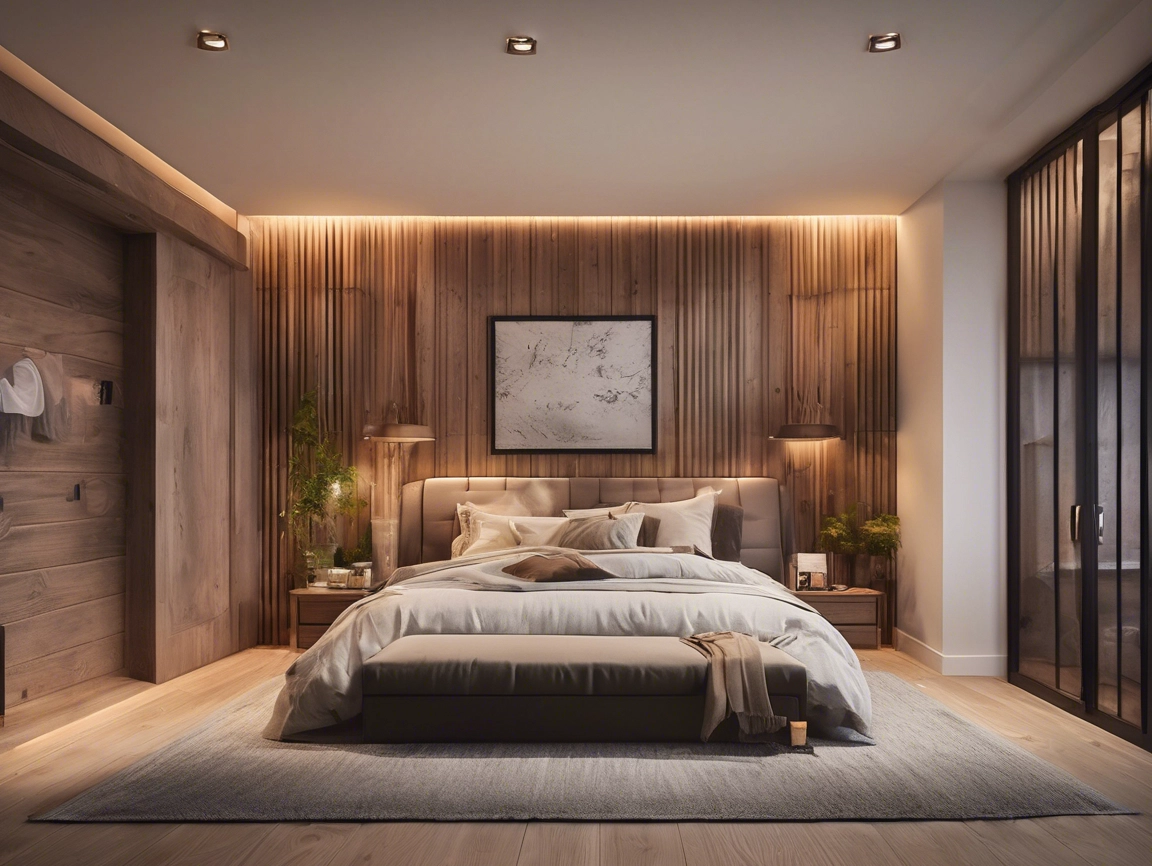
Bamboo charcoal wood veneer panels bring the warm look of real wood to modern interiors. They suit buyers who want a wood grain face with a clean, flat board behind it.
The face shows a printed wood grain, while the core gives the board its firm shape. This mix keeps the wall light, flat, and easy to fit in most rooms.
This guide covers grain styles, colour tones, finishes, and grain direction. It also covers rooms, pairing ideas, sample checks, install, and care.
Buyers can use it to compare options before they ask for samples. A clear brief helps the supplier match the right board to the room.
What Are Bamboo Charcoal Wood Veneer Panels?
Bamboo charcoal wood veneer panels pair a wood grain face with a bamboo charcoal board. The face copies the look of sawn wood, with grain lines, knots, and tone shifts.
The board behind the face stays flat and holds its shape on the wall. It suits feature walls, full wall runs, and headboard walls in many rooms.
The wood grain face comes in many tones, from pale oak to deep walnut. Buyers pick the tone first, then the finish and the grain direction.
For the craft behind the face, read the Wood veneer page on Wikipedia. It explains how thin wood layers are cut and used as a face.
For a broad view of the board, read our Bamboo Charcoal Wall Panel Carbon Crystal Buyer Guide. That guide explains the board, the core, and the main buying points. Use it with this guide to build a short list of boards for your rooms.
If you want the basics first, read What Is a Bamboo Charcoal Panel? for a plain start. It sets out what the board is and where it fits best.
Wood Grain Styles, Colour Tones and Finishes
Wood grain gives each board its own feel, so tone sets the mood of the room. Pale tones feel bright and open, while dark tones feel calm and rich.
Most ranges cover three tone bands, with pale, mid, and dark wood in each band. Within each band, the grain can run fine, bold, or mixed. Bamboo charcoal veneer panel finishes run from soft matte to bright gloss, so pick the shine with the tone.
Light Oak and Pale Wood Tones
Light oak suits rooms that need more light and air. The pale grain lifts a small bedroom and keeps a north-facing room from feeling grey.
Pale wood pairs well with white walls, light floors, and soft grey cloth. It also suits rooms with pale stone or light metal trims.
Bamboo charcoal wood veneer panels in pale oak work well behind a bed. The soft tone frames the bed without pulling the eye too hard.
Ask for a sample in daylight before you pick a pale tone. Pale boards can look flat under warm lamps, so check them in the real room.
Walnut and Mid-Tone Wood
Walnut sits in the middle, with a warm brown tone and clear grain lines. It suits living rooms, studies, and hotel rooms that need a calm feel.
Mid tones hide small marks better than pale tones, so they suit busy rooms. A walnut wall can carry art, shelves, and a TV with ease.
Walnut pairs well with brass, dark metal, and deep green or navy cloth. It also works with light floors, since the contrast stays soft.
A wood grain bamboo charcoal panel in walnut suits a hotel lobby wall. The warm tone greets guests and keeps the space calm.
Dark Wood and Deep Tones
Dark wood brings depth and a rich feel to large rooms. It suits feature walls that need to stand out from pale walls around them.
Use dark tones with care in small rooms, since they can close the space in. Pair them with light floors, bright art, or warm lamps.
Dark grain hides dust and small marks well, so it suits bars and lounges. It also pairs well with black metal and stone tops.
A dark board needs good light to show its grain, so plan lamps early.
Matte and Gloss Finishes
A matte face gives a soft, low-shine look that suits calm rooms. It hides small marks and softens the grain, so it fits bedrooms well.
A gloss face gives a bright, clean shine that lifts a dark room. It shows the grain with more depth, but it also shows marks more.
Bamboo charcoal wood veneer panels with a matte face suit hotels and homes. A gloss face suits shops, lobbies, and walls that need a bright lift.
Ask for both finishes in the same tone before you choose. The same grain can look quite different in matte and in gloss.
Vertical Grain vs Horizontal Grain
Vertical grain runs up the wall and lifts the eye, so the room feels taller. It suits narrow walls, tall rooms, and headboard walls.
Horizontal grain runs across the wall and makes the room feel wider. It suits long walls, wide lounges, and low rooms that need more width.
A bamboo charcoal veneer panel with vertical grain suits a bedroom wall. The tall lines frame the bed and lift the room in a soft way.
Mix grain runs with care, since two runs can fight on one wall. Keep one run for each wall, and use trim to mark the change.
Where to Use Bamboo Charcoal Wood Veneer Panels
Bamboo charcoal wood veneer panels fit many rooms, from homes to hotels. The right tone and finish change with the room and the light.
Bedroom Feature Walls
A bedroom feature wall sits behind the bed and sets the tone of the room. Pale oak and walnut both work well here, with a matte face.
Vertical grain lifts the wall and frames the bed in a calm way. Add warm cove light above the bed to lift the grain at night.
Keep the rest of the room soft, with plain walls and light cloth. The wood wall then stays the focus, and the room feels calm.
Living Rooms and Hotels
A living room wall can take a bolder tone, since the room is large. Walnut or dark wood suits a TV wall or a wall with shelves.
Hotels use the same idea in rooms, lobbies, and corridors. A wood wall greets guests with warmth and keeps the space calm.
For hotels, pick a tone that works in many rooms at once. One tone across rooms keeps the stock simple and the look steady.
Bamboo charcoal wood veneer panels suit hotel rooms with a matte face. The soft face hides marks and keeps the room calm for guests.
Offices and Workspaces
Offices need calm walls that do not pull the eye from work. Pale oak and mid walnut both suit meeting rooms and open work areas.
A wood wall behind a desk or a meeting table adds warmth to the room. Keep the grain soft, so the wall feels calm in long meetings.
Vertical grain suits tall office walls, while horizontal grain suits wide walls. Match the run to the wall shape for the best result.
To compare wood grain with other board types, read our Bamboo Charcoal Panel vs WPC Wall Panel guide. It sets out the look, the feel, and the fit of each board type.
Pairing Wood Veneer with Marble, Solid Colour and Fabric Finishes
Wood veneer rarely stands alone, since most rooms mix two or three finishes. A good mix keeps the wood as the lead and the rest as support. Bamboo charcoal wood veneer panels lead the mix in most rooms.
Marble-look boards add a bright, cool face next to warm wood. Use marble on one wall and wood on the next, with trim in between.
Solid colour boards give a calm base that lets the wood grain shine. Pale grey, cream, and soft white all work well with walnut.
Fabric-look boards add a soft, woven feel that suits bedrooms and lounges. Pair them with wood in the same tone band for a calm match.
Bamboo charcoal wood veneer panels pair well with a marble-look board. The warm wood and the cool stone balance each other on near walls.
Test the mix with real samples on one wall before you order. Tape the boards side by side and check them in daylight and at night.
See our wood veneer wall panel board for the board in this guide. Its face shows the wood grain style that this guide covers.
How to Check Samples, Install and Care for the Panels
Check Colour Samples and Batch Differences
Colour can shift a little from one batch to the next, so check samples well. Ask for a sample from the same batch as your order where you can.
Check the sample in daylight, then under the lamps in the room. A tone that looks right in the shop can shift under warm light.
Ask for three boards from the same batch and lay them side by side. Look for shifts in tone, grain depth, and gloss across the three.
Bamboo charcoal wood veneer panels need a batch check most of all. A small shift across a wide wall shows more than on a small wall.
Note the batch mark on the box and keep one spare board. The spare helps you match the tone if a board needs a swap later.
- Ask for a sample from the same batch as the order.
- Check the sample in daylight and under room lamps.
- Lay three boards side by side and compare tone and grain.
- Note the batch mark and keep one spare board.
- Confirm the finish and the grain run on the quote.
Install Tips
Start with a flat, dry wall and a clean base for the boards. A bent wall leaves gaps, and gaps show most on a wood grain face. A bamboo charcoal wood veneer wall panel needs a flat wall to sit true.
Fix the boards firm and keep the joints tight and straight. Use the trim and clips that suit the board, and check the first boards well.
Plan the grain run before you fix the first board. A clear plan keeps the grain steady across the whole wall.
Care Tips
Wipe the face with a soft cloth and mild soap when dust builds up. Rinse with clean water, then let the wall dry on its own.
Avoid harsh cleaners and hard scrub pads on the face. They can scratch the print and dull the finish with time.
Check the joints each year for gaps, stains, or loose trim. A small fix early costs far less than a full wall swap later.
Keep spare boards out of strong sun, so the tone stays true. A spare kept in the dark shows the true tone for a later match.
ZHONGXINGWO supplies wall panels, trims, and install advice in one order.
Q: Which wood tone suits a small bedroom? A: Pale oak suits a small bedroom, since the light tone lifts the room. Bamboo charcoal wood veneer panels in pale oak work well behind a bed with a matte face.
Q: Should I pick a matte or a gloss finish? A: Pick matte for calm rooms such as bedrooms, since it hides small marks. Pick gloss for shops or lobbies that need a bright lift.
Q: How do I check for batch colour shifts? A: Ask for three boards from the same batch and lay them side by side. Check them in daylight and under room lamps, then note the batch mark.
Bamboo charcoal wood veneer panels give buyers a wide choice of tones, finishes, and grain runs. Pick the tone for the room and match the finish to the light. Check samples from one batch before you order.
Need help choosing bamboo charcoal wood veneer panels for your project? Send us an inquiry with your room type, tone, and order size. Our specialists will reply and help you.
